

For many tradespeople and business owners, the van is not just a vehicle — it is a mobile workshop. At any given time it might contain thousands of pounds' worth of power tools, specialist machinery, surveying equipment, landscaping kit or trade stock. For an electrician, a plumber or a mobile mechanic, the contents of that van are the business.
That is precisely what makes vans a persistent target for opportunist thieves and, increasingly, organised criminal networks. A van break-in can mean more than a bad morning and an inconvenient insurance call. It can mean days of lost work, delayed jobs, let-down clients and the stress of trying to replace specialist equipment quickly in order to keep earning.
The good news is that van security, approached sensibly, does not need to be complicated or prohibitively expensive. The key principle is layering: combining good habits with physical security measures that make your van a harder, slower, less rewarding target than the one parked nearby with fewer precautions.
This guide covers the main risks, the practical steps you can take, and how to protect not just the van itself but the valuable tools and equipment inside it.
Why Van Security Matters
Van theft and tool theft carry consequences that extend well beyond the immediate cost of what is stolen.
Replacing tools and equipment takes time, and specialist items are not always available off the shelf. In the meantime, you may not be able to take on work. Insurers will often require evidence of the items owned — and many tradespeople discover too late that their policy does not cover tools left in the vehicle overnight, or that the excess makes a small claim barely worthwhile.
Even a failed break-in attempt is costly. Forced door locks, broken windows and damaged bodywork all require repair, and the van may be off the road while that happens.
It is also worth remembering that the majority of van thefts are opportunistic. Thieves are looking for the easiest target. Anything that creates delay — a visible chain, a reinforced lock, a fixed anchor point — changes the calculation. It is not about making theft impossible. It is about making your van less attractive than the next one.
What Are the Most Common Van Security Risks?
Understanding where vans are vulnerable helps you focus your efforts on what matters most. The most common risk factors include:
- Tools and equipment left loose in the load area, easy to grab and go
- Valuable items visible through windows or rear glazing
- Factory-fitted locks that offer relatively modest resistance to attack
- Overnight parking in isolated, unlit or low-footfall areas
- Unsecured or poorly maintained side and rear doors
- Equipment left in the van between jobs as a matter of routine
- No fixed internal anchor point or secure tool chests, meaning items can simply be lifted out if a thief gains access
- Predictable parking habits and work patterns that allow a van to be observed and targeted
Many of these risks are straightforward to address once identified.
Start with the Basics: Good Van Security Habits
Before looking at any product or physical upgrade, there are habits that cost nothing and make a genuine difference.
Remove tools overnight wherever possible. This is the single most effective deterrent — a van with nothing in it is of no interest to a tool thief. It is not always practical, but making it a habit for the most valuable items is worthwhile. It's obviously not practical to remove everything form your van but if you can easily remove expensive items, then do it. If you use a case for these items, it'll make removing them form the van that much easier. If you can't remove these items, make sure you secure them in the van.
Keep valuables out of sight. Do not leave tools, equipment or anything of obvious value visible through the windows. That means ensuring the driver's area is free of any tools or equipment.
Park thoughtfully. Well-lit areas with natural foot traffic are preferable to quiet side streets, isolated car parks or unmonitored roads. Where possible, reverse into a parking space so rear doors are close to a wall or obstacle, making them harder to force open quickly.
Keep a tool inventory. Record serial numbers, take photographs, and keep the record somewhere safe and separate from the van. This information is essential for police reports and insurance claims.
Mark your tools. Forensic property marking, UV pens or commercial marking kits all help identify stolen property and make tools less attractive to resell.
Use signage. If you have fitted security devices, a simple sticker or sign indicating that tools are chained, tracked or alarmed is a worthwhile deterrent in itself.
Check the van is locked. It sounds obvious, but key fob signal relay attacks — where thieves can capture and amplify the signal from your keys to unlock the van remotely — are increasingly common. Store keys away from doors and windows, and consider a signal-blocking pouch.
Upgrade Physical Van Security
Factory-fitted security on most vans provides a reasonable baseline, but it may not be sufficient for vehicles regularly carrying high-value equipment.
Options worth considering include:
- Deadlocks — secondary locks fitted to the load doors that operate independently of the standard locking system
- Slamlocks — locks that engage automatically when the door closes, useful on multi-drop delivery routes
- Lock guards and shielding plates — steel reinforcements fitted around existing locks to prevent drilling or picking attacks
- Alarm systems — particularly those with interior sensors and tilt detection
- Immobilisers — approved after-fit systems, like Ghost, offer additional protection beyond factory equipment
- GPS tracking devices — useful both as a deterrent and for recovery if the van is stolen
- Security lighting at home or business premises where the van is parked overnight
- CCTV at premises, which can deter theft, provide evidence and support insurance claims
These measures protect the van itself. But they do not protect the contents if a determined thief gets through the door. That requires a separate layer of thinking.
Secure the Contents, Not Just the Van

If a thief gains access to your van, loose tools and equipment can be removed in seconds. A generator, angle grinder cutter or a pressure washer can be lifted out of an unlocked load area with very little effort. The question is what happens when the van has been secured physically but the contents have not.
The answer is a fixed anchor point and a heavy-duty chain.
Securing valuable tools or equipment to a fixed point inside the van means that even if someone gets in, they cannot simply carry items away. They now face the additional challenge of defeating the chain and the lock — which takes time, creates noise, and increases the risk of being seen or disturbed. For most opportunist thieves, that is enough to move on.
Using Protector Chains for Van Security
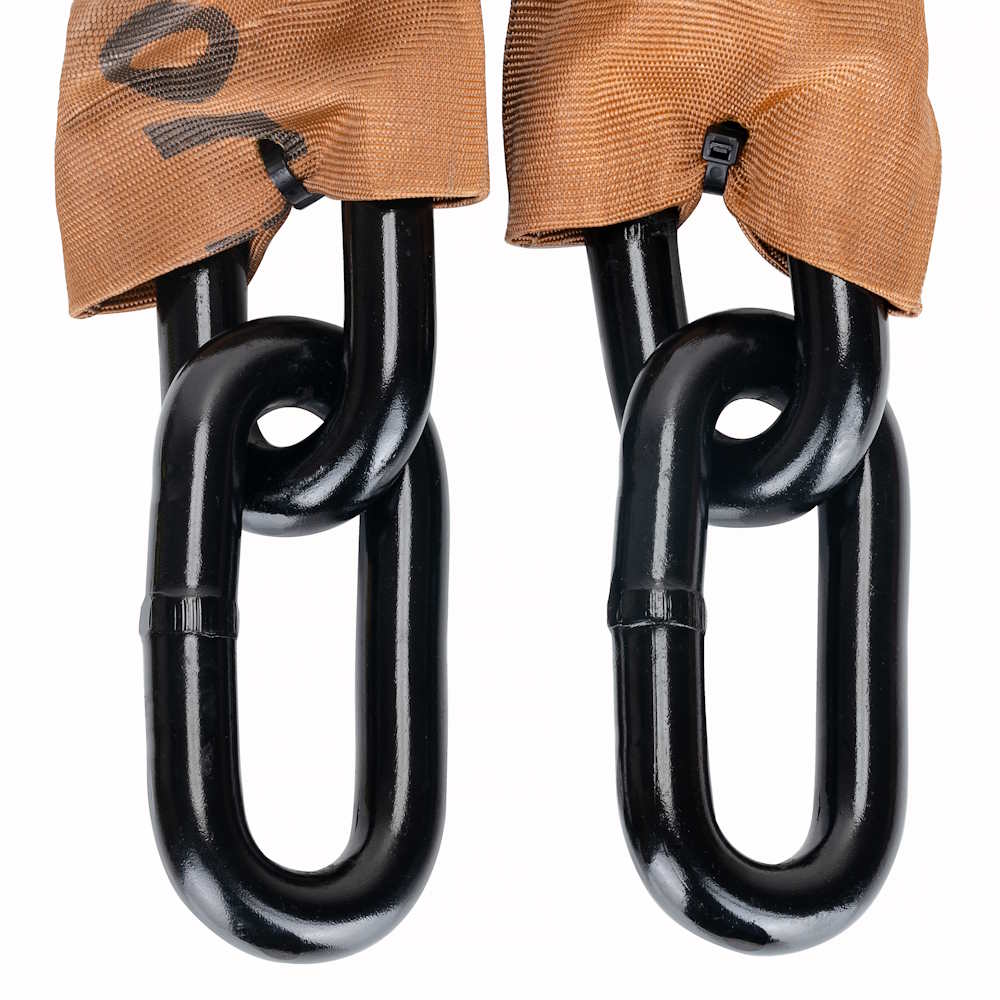
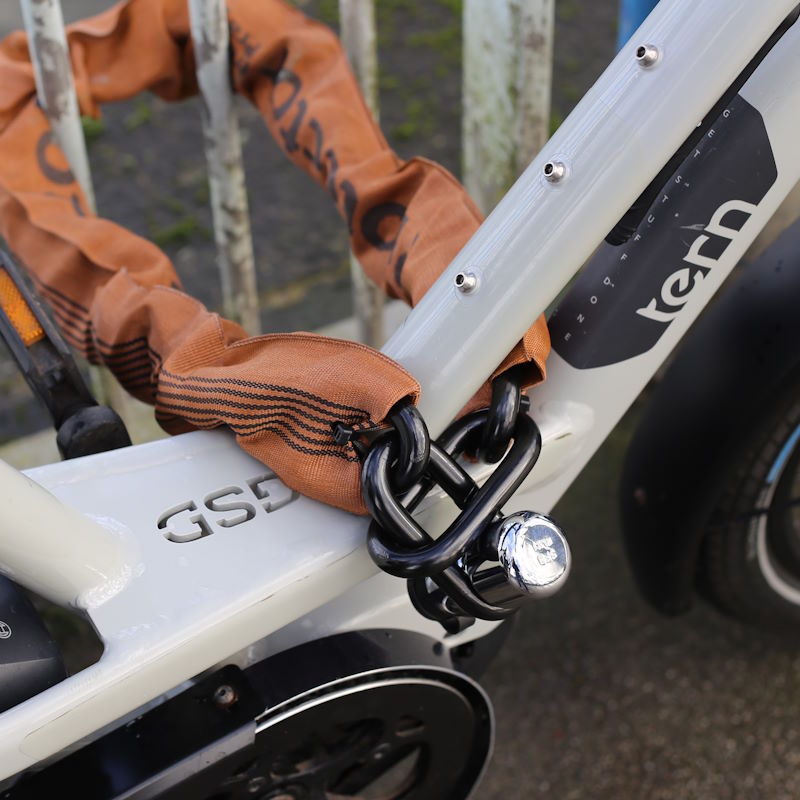
A Protector chain provides a strong, practical way to secure tools and equipment inside your van. Loop the chain through or around the item you want to secure — a generator, a tool chest, a pressure washer, a chest of power tools — connect it to your anchor point, and secure it with a high-security-closed-shackle padlock.
Protector chains are also useful on site, where equipment may be temporarily unloaded but cannot be taken inside or left unattended. Used with a quality lock, a Protector chain adds a strong additional layer of security and helps delay removal, making theft significantly more difficult for anyone operating quickly and opportunistically.
The chain works best when positioned tightly, kept low, and attached to a point that cannot itself be easily defeated. Which brings us to the anchor.
Using the Torc Mega Ground Anchor in a Van

A chain is only as strong as the point it is attached to. Looping a chain around a seat rail, a tie-down eye or a piece of racking may offer some resistance, but these fixing points are rarely designed to withstand a determined attack.
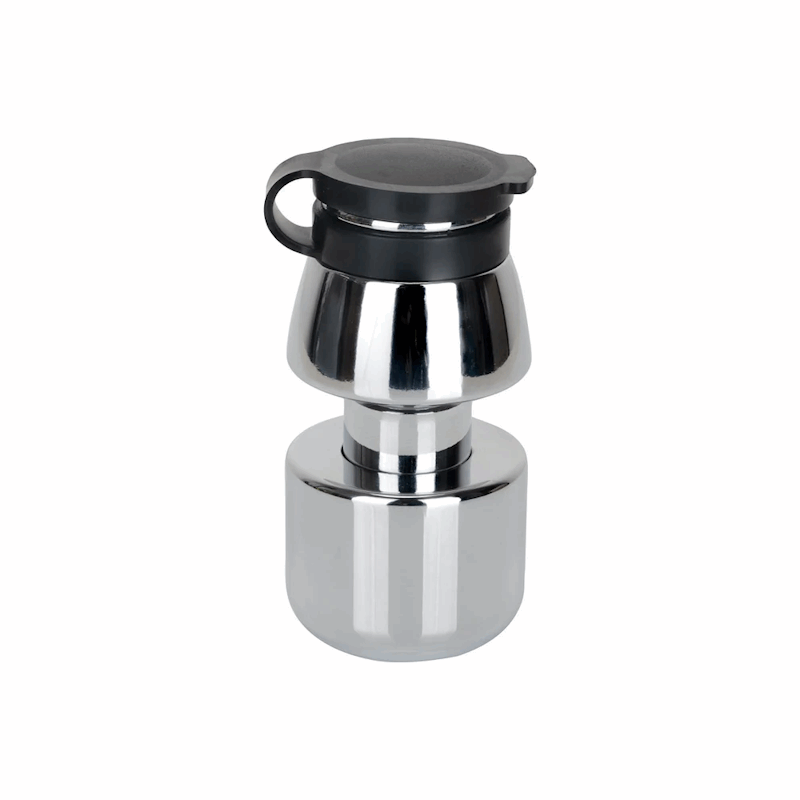
The Torc Mega ground anchor, fitted to the floor of the van using the van-specific fitting kit, creates a dedicated, heavy-duty internal anchor point built to take the load. Once in place, it gives you a fixed, reliable point to attach a Protector chain — turning the load area of your van into a substantially more secure storage environment.
This is particularly valuable for tradespeople and businesses that carry high-value kit on a daily basis and cannot realistically unload everything at the end of every working day. A fitted anchor and a good chain mean that even when the tools stay in the van overnight, they are not simply sitting loose waiting to be carried away.
Before fitting, check your van floor for suitability, review the fitting instructions carefully, and if the van is leased or part of a fleet, confirm with the vehicle owner or fleet manager that modifications are permitted.
Used together, a Protector chain and a van-mounted Torc Mega anchor can provide a meaningful layer of physical security that sits on top of your locks, alarms and parking choices — and significantly raises the bar for anyone trying to steal from your vehicle.
Think in Layers: A Practical Van Security Setup
Here is what a sensible, layered van security approach might look like for a typical tradesperson:
- Park thoughtfully — well-lit, overlooked, rear doors to a wall where possible
- Keep tools out of sight — no visible equipment through windows
- Fit upgraded locks — deadlocks or slamlocks on load doors
- Add an alarm and tracker — deterrent and recovery option
- Mark and record tools — inventory, serial numbers, forensic marking
- Fit a Torc Mega ground anchor using the van-specific fitting kit to the load area floor
- Use a Protector chain to secure the most valuable tools and equipment to the anchor point
- Review regularly — as your tools, routes and parking arrangements change, so should your security setup
No single step here is a guarantee. Together, they make the van a significantly harder target.
What Should You Secure Inside a Van?
Not every item needs to be chained, but the best candidates are those that are expensive, easy to carry, hard to replace quickly, or essential for your work. Examples include:
- Power tools (impact drivers, SDS drills, grinders, jigsaws)
- Tool chests and stacked storage systems
- Generators
- Pressure washers
- Cut-off saws and disc cutters
- Welding equipment
- Surveying and laser levelling equipment
- Landscaping machinery
- Compact plant and attachments
- E-bikes and cycles
- Specialist trade or diagnostic equipment
If losing an item would stop you working, it is worth securing it.
Van Security Checklist
Use this as a quick reference for your own van:
- [ ] Are tools removed from the van overnight where practical?
- [ ] Are valuable items hidden from view in the load area?
- [ ] Are side and rear doors fitted with deadlocks or equivalent upgrades?
- [ ] Is the van parked in a safe, well-lit, visible location?
- [ ] Are tools and equipment marked and recorded with serial numbers?
- [ ] Is an alarm or GPS tracker fitted to the vehicle?
- [ ] Are high-value items secured with a heavy-duty Protector chain?
- [ ] Is a Torc Mega ground anchor fitted to the van floor with the van-specific fitting kit?
- [ ] Are staff or drivers briefed on basic security habits?
- [ ] Has the security setup been reviewed recently, particularly after changes to tools or routes?
Final Thoughts
Van security works best as a system, not a single solution. Upgraded locks, sensible parking and good habits reduce the likelihood of someone getting into your van in the first place. But securing the contents — particularly your most valuable tools and equipment — adds an important and often overlooked layer that matters most if someone does get through.
A heavy-duty Protector chain combined with a Torc Mega ground anchor fitted with the van-specific fitting kit creates a fixed, physical barrier between a thief and your most essential equipment. It does not make theft impossible, but it makes it harder, slower and noisier — and for the opportunist thief working quickly and looking for easy wins, that is often enough.
If your van regularly carries tools or equipment you cannot afford to lose, it is worth reviewing your security setup against this checklist and considering whether a chain and a fixed anchor point belong in your load area.
Explore Protector chains and the Torc Mega ground anchor with van-specific fitting kit and take the next step towards a stronger van security setup.





Leave a comment
All comments are moderated before being published.
This site is protected by hCaptcha and the hCaptcha Privacy Policy and Terms of Service apply.