

Why Farm Security Matters More Than Ever
Farms and rural estates are attractive targets for opportunist criminals and organised gangs alike. Open land with multiple access points, isolated buildings, high-value machinery sitting in yards overnight, unsecured fuel stores, and livestock spread across large fields - all of it creates vulnerability that urban properties simply do not share.
Rural crime costs the UK agricultural sector hundreds of millions of pounds each year, and the true figure is likely higher because many incidents go unreported. Beyond the financial loss, the impact on mental health, business continuity and farm confidence is significant.
The good news is that most rural crime is opportunistic. Practical, layered security measures - consistently applied - make your farm a harder target and often push criminals towards less well-prepared properties. This guide sets out the key threats and the steps you can take to reduce your exposure to them.
Know the Main Risks
Before investing in security measures, it helps to understand what you are protecting against.
- Unauthorised encampments - the occupation of private land without the landowner's permission - can cause significant disruption, damage to land, and costly clearance. Prevention is considerably easier than removal.
- Hare coursing involves groups using lurchers or similar dogs to course hares, often entering farmland without permission through gates or gaps in hedges. Vehicles are typically left on field margins or lanes.
- Break-ins and theft from buildings - barns, workshops, stores and outbuildings are frequent targets, particularly for tools, batteries, quad bikes and fuel.
- Quad bike and ATV theft remains a significant and growing problem, often involving organised criminal networks.
- Tractor and machinery theft - including GPS guidance systems, which can be stripped from cabs in minutes - represents some of the highest-value losses in rural crime.
- Fuel theft from on-farm bowsers and static tanks is common, particularly during periods of high fuel prices.
- Livestock worrying - typically dogs attacking or chasing sheep - causes serious welfare harm and financial loss, particularly during lambing.
- Fly-tipping causes land contamination, clearance costs, and potential liability issues, and is often connected to wider organised waste crime.
-
Vandalism to crops, fencing, signage and property can be costly and disruptive, particularly during sensitive periods such as harvest.
Secure the Perimeter Without Disrupting the Farm

Your perimeter is your first line of defence. The goal is to control access without making day-to-day farm operations impractical.
Gates, Barriers and Access Control
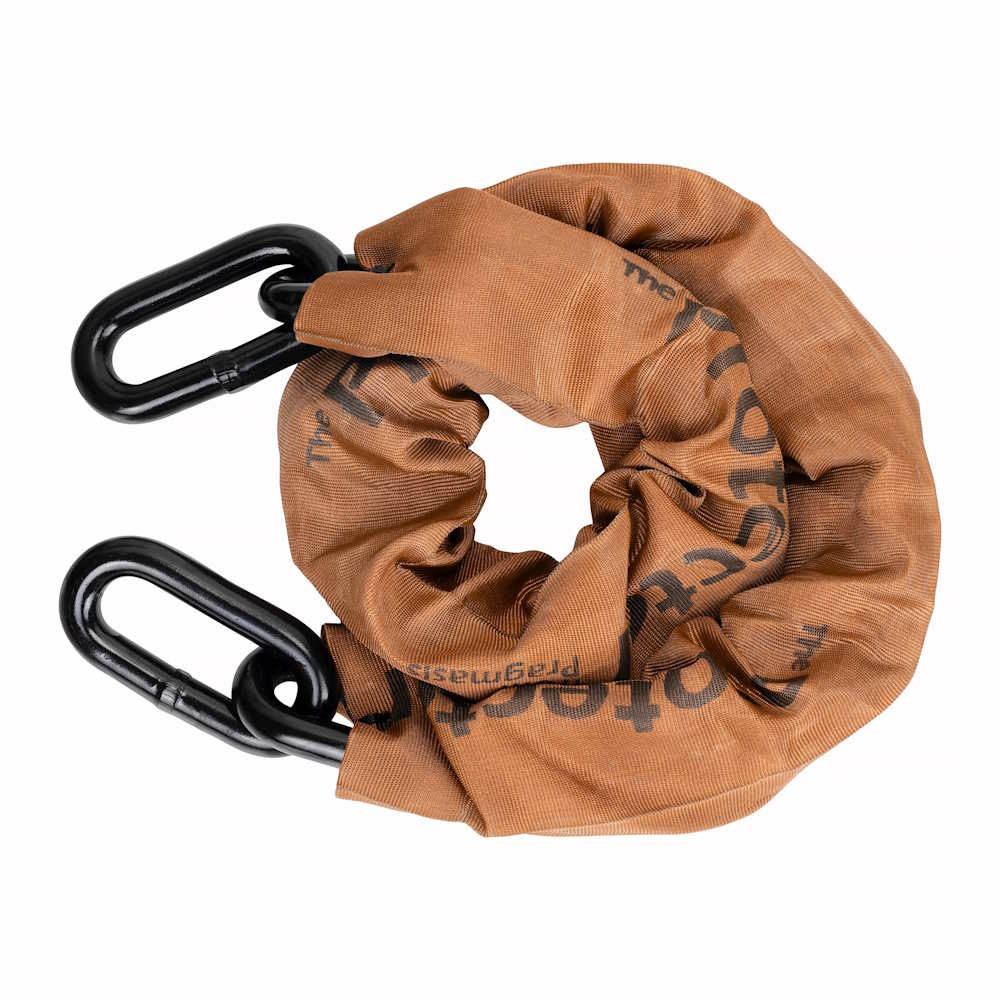
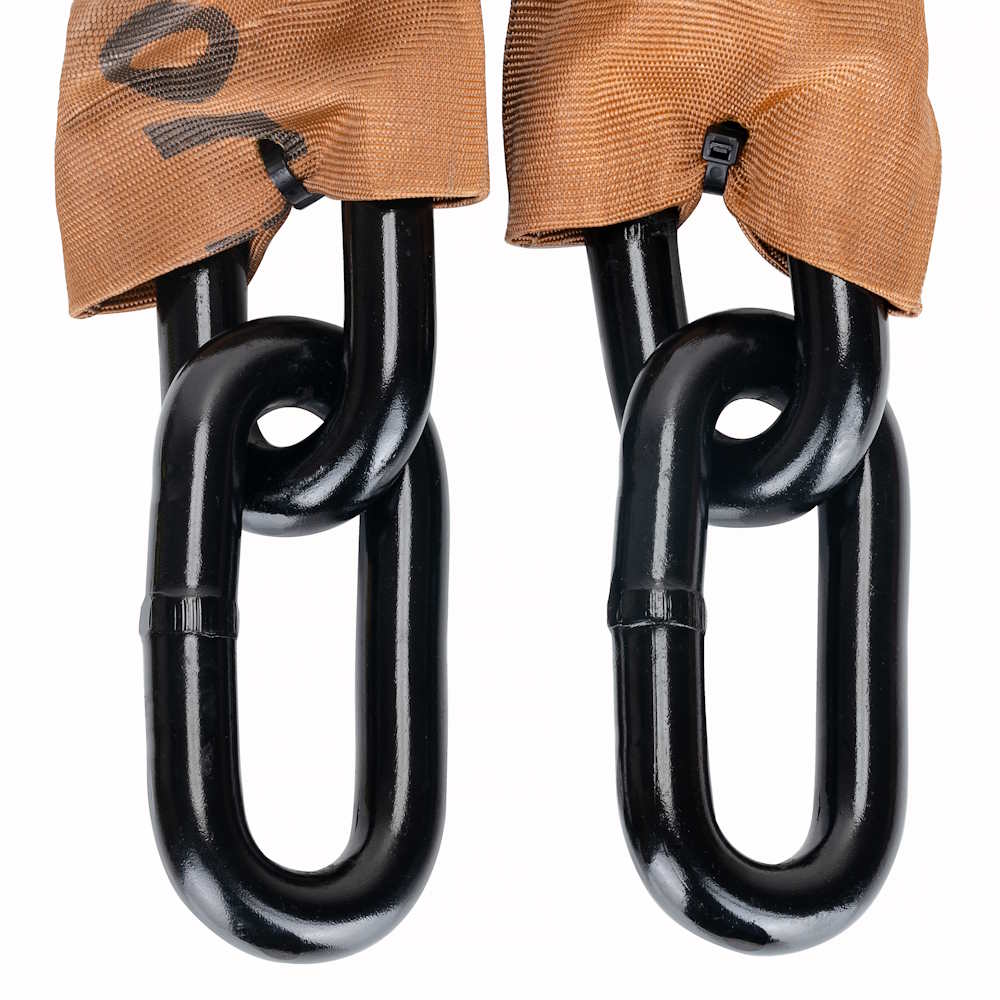
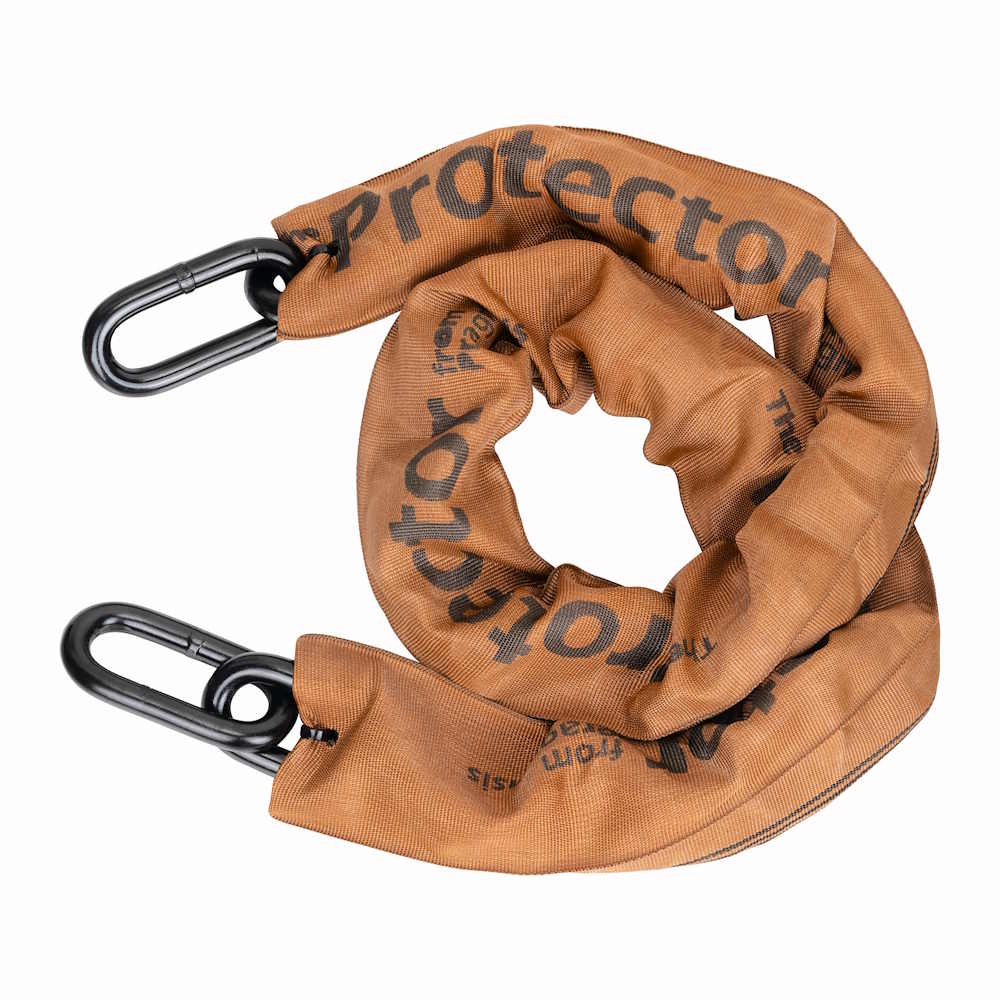
Install robust five-bar gates at all access points and secure them with close-shackle padlocks and heavy-duty chains. The chain is often the weakest link in a gate security setup - a Sold Secure rated chain, such as those in the Security for Bikes range, offers significantly higher resistance to bolt croppers and angle grinders than standard hardware chains. Avoid padlocking arrangements that allow a gate to be lifted off its hinges - anchor pins or anti-lift collars are a low-cost fix. Where a gateway is rarely used, consider a concrete or steel post barrier as a secondary block.
For fields adjoining public roads or green lanes, earth bunds, large boulders or buried concrete blocks are highly effective physical deterrents against unauthorised vehicle access. These can be installed quickly and require minimal maintenance.
Signage and Sightlines

Clear private land signage - including no unauthorised access notices - reinforces your ownership, supports any subsequent legal process, and may deter casual trespassers. Keep vegetation along gateways, tracks and field margins cut back to maintain sightlines and reduce cover.
Fencing and Natural Barriers
Inspect and maintain perimeter fencing regularly. Gaps, fallen sections or broken stiles are invitations. Thorny hedgerow species - blackthorn, hawthorn, holly - can be used to reinforce field boundaries and reduce access points over time.
Protect Buildings, Yards and High-Value Equipment

Lighting and CCTV
Motion-activated lighting in yards, around barns, fuel stores and workshops is a simple, cost-effective deterrent. Pair it with CCTV covering key areas including gates, fuel tanks and machinery parks. Ensure cameras are positioned to capture useful footage - number plates at gateways, faces at doorways - and that recording systems are checked regularly and footage stored securely.
Securing Machinery, Tools and Vehicles

- Fit immobilisers and GPS trackers to tractors, quads and ATVs. Tracking systems have led to successful recoveries and prosecutions.
- Mark machinery, tools and equipment with UV marking fluid or forensic property marking - and display warning stickers. Register items on national databases such as Datatag or CESAR.
- Remove or secure GPS guidance units from cab roofs when machinery is not in use.
- Store smaller high-value items - batteries, chainsaws, power tools - in a locked, alarmed building rather than leaving them in vehicles or outbuildings.
- Never leave keys in machinery, even briefly. Key theft from farm offices and kitchens is a common precursor to machinery theft.
Ground Anchors and Tethering

For equipment that cannot easily be stored indoors - ride-on mowers, ATVs, generators and similar assets - a fixed ground anchor is one of the most effective deterrents available. The Torc Ground Anchor from Security for Bikes is designed precisely for this purpose, providing a robust fixed point to which you can tether your asset using a high-quality chain and lock. Even in an open yard or outbuilding, a ground-anchored machine is substantially harder to steal than one that can simply be rolled or ridden away.
Locking Systems for Vehicles and Equipment

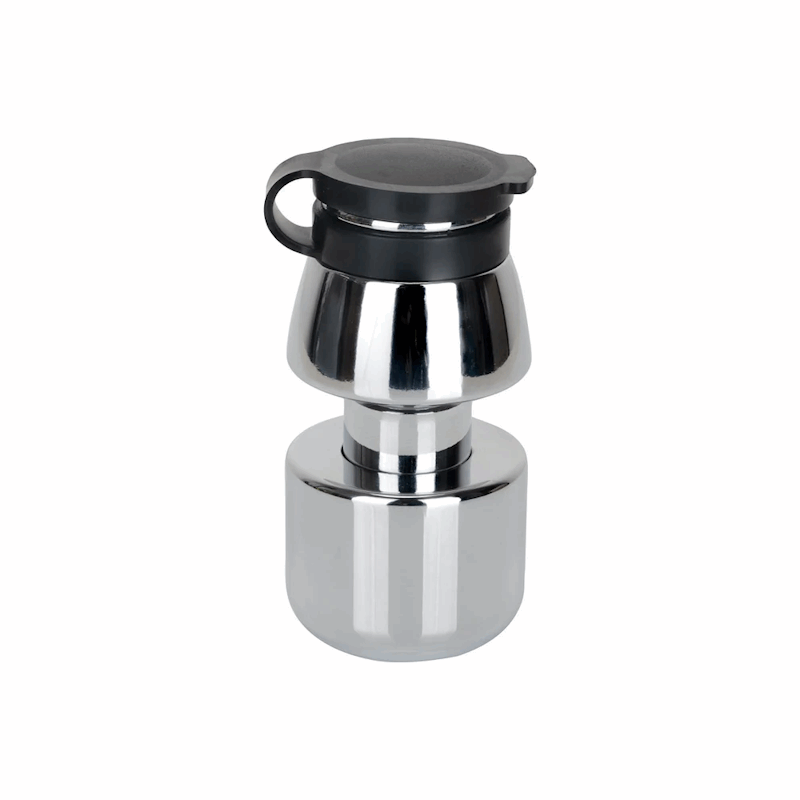
A quality disc lock or chain-securing lock adds a visible, practical layer of protection for vehicles and machinery. The Roundlock from Security for Bikes is a versatile option that works both as a disc lock - disabling a vehicle directly - and as a chain lock, allowing it to be used in combination with a Sold Secure rated chain for double security. For outbuildings and workshops, the Watchman wooden door security hasp offers a high-security fixing point for timber-framed doors, a common weak point on farm structures. Similarly, the Super Shed Shackle - Sold Secure Gold approved - provides a secure anchor point for wooden buildings such as sheds and stables, allowing you to tether equipment internally to a fixed, reinforced point.
Fuel Storage
Secure bowsers and static tanks with robust locking caps and, where possible, secondary cage locks. Position tanks where they are visible from the farmhouse or covered by CCTV. Consider fitting a fuel management system with access logging for larger operations.
Reduce the Risk of Unauthorised Encampments

Prevention is far more effective - and far less costly - than dealing with an established encampment. The key is making unauthorised vehicle access physically difficult at every realistic entry point.
Practical Prevention Measures
- Secure all access points to land adjoining roads, green lanes, amenity areas or open countryside with robust gates or physical barriers.
- Install earth bunds or large immovable boulders at field corners and lay-bys adjacent to your land, particularly in areas that have been targeted before.
- Walk or drive your boundaries regularly to identify any new gaps, damaged gates or areas of concern.
- Display clear landowner signage on boundaries and access points.
If an Encampment Occurs
Document the situation promptly with photographs, video and written notes, including dates, vehicle registrations and a record of any damage. Seek legal advice before taking any action - the correct process for recovery of your land will depend on the circumstances, and it is important that any steps taken are lawful and proportionate. Your local authority and the police both have roles to play depending on the situation, and liaison with them early is advisable.
Do not attempt to intimidate or obstruct anyone. Unlawful eviction carries legal risk for the landowner. A solicitor experienced in rural property matters will be able to advise on the most effective and appropriate route.
Prevent Hare Coursing and Illegal Field Access

Hare coursing tends to concentrate in arable areas during autumn and winter. Organised groups can cause significant ground and crop damage, and confrontations with participants carry real personal risk.
- Secure field access points and check gates regularly during the risk season.
- Install camera systems at gateways to capture vehicle registrations. Mobile solar-powered trail cameras are a cost-effective option for remote locations.
- Note and report suspicious vehicles - particularly those parked in unusual locations near fields - to the police and to rural crime teams. Keep a log.
- Contact neighbouring farms and coordinate through a local NFU, Country Watch or Rural Watch scheme. Information sharing between farms has contributed to successful police operations.
- Do not approach or confront groups involved in coursing. Note details from a safe distance and report them.
Improve Your Response When Something Happens
How you respond in the immediate aftermath of an incident significantly affects the chances of a successful insurance claim and police investigation.
- Maintain an incident log. Record dates, times, locations, what happened, what was taken or damaged, and who was involved if known.
- Photograph and video everything before disturbing a scene, including tyre tracks, damage, discarded items and access points used.
- Report to the police promptly and obtain a crime reference number. Rural crime teams increasingly prioritise farm crime, and patterns of incidents across farms can build useful intelligence.
- Notify your insurer as soon as reasonably practicable. Check your policy requirements - delays in notification can affect claims.
-
Avoid confrontation. The priority is your safety and securing evidence. Challenge only what you can do safely and lawfully.
Build a Rural Security Plan

A written security plan, however simple, focuses effort and ensures nothing is overlooked.
Key Steps
- Conduct a risk assessment - walk your entire farm with fresh eyes and identify the most vulnerable access points, buildings and equipment.
- Prioritise improvements - address the highest-risk areas first, particularly those that have been targeted or are most exposed.
- Brief staff and contractors - ensure everyone working on the farm knows the security protocols, who to call, and how to record incidents.
- Coordinate with neighbours - share information, pool resources where practical, and participate in local watch schemes.
-
Review seasonally - risk changes throughout the year. Harvest brings different pressures to lambing season. Review your plan at least twice annually.
Farm Security Checklist
Use this as a starting point for your own review:
- All access gates secured with Sold Secure rated chains and close-shackle padlocks
- Physical barriers (bunds, boulders) in place at key field access points
- Motion-activated lighting covers yard, barns and fuel store
- CCTV operational and footage regularly checked
- GPS trackers fitted to tractors, quads and ATVs
- Machinery and tools registered on a national asset database
- Ride-on mowers, ATVs and generators tethered to a fixed ground anchor when not in use
- Outbuilding and shed doors secured with a high-security hasp and quality lock
- Fuel tanks secured with locking caps and secondary locks
- Keys stored securely away from machinery
- Incident log template ready and accessible
- Police rural crime team number saved
- Neighbouring farms contacted and information-sharing arrangement in place
-
Security plan reviewed in the last six months
A Final Word: Layered Security Works
No single measure will eliminate farm crime. But a layered approach - controlling access, improving visibility, securing assets, staying connected with neighbours and the police, and being prepared to respond quickly - makes your farm a significantly harder target and puts you in the strongest possible position when incidents do occur.
The most effective farm security programmes are also the most consistent ones. Regular checks, maintained equipment and good habits cost relatively little but make a real difference.
Ready to take the next step? Review your farm security against this checklist and consider speaking to a rural security specialist or your local NFU representative. Many rural insurers also offer free or subsidised farm security surveys - contact your broker to find out what is available to you.
If you are looking to improve the physical security of your gates, outbuildings, vehicles or equipment, explore the Security for Bikes range of Sold Secure rated chains, ground anchors, locks and security hasps - products designed to deliver genuine, tested resistance to attack, wherever they are used.





Leave a comment
All comments are moderated before being published.
This site is protected by hCaptcha and the hCaptcha Privacy Policy and Terms of Service apply.