

If you’re reading this beside a cycle stand, take 30 seconds to check your bike before you walk away.
The 30-second bike security check
- Is the frame locked to the stand—not just a wheel?
- Is the stand solidly fixed into the ground?
- Are you using a substantial, well-made D-lock or chain rather than relying on a cable?
- Have you also secured or immobilised at least one wheel?
- Is the lock kept away from the ground, with as little empty space inside it as possible?
- Is your bike somewhere visible, busy and well lit?
- For a valuable bike or a longer stay, could you add a second lock?
If you can answer yes to all seven, your bike is considerably less attractive to a thief.
No lock is theft-proof but thieves hate pressure and want to minimise their risk of being caught. The aim is to make your bike take more time, create more noise and require more tools than the alternatives nearby.
The most important rule
Lock the bicycle’s frame to something immovable.
Secure the frame and, if possible, at least one wheel to a fixed object using a high-quality lock. Most locks ought to be able to pass through the frame and rear wheel. This prevents the bike being ridden away, carried off, or quickly dismantled.
Do this properly and most thieves will move on. Job done.
Bike security isn't just about buying the most expensive lock. It comes down to five practical elements:
- What you lock your bike with
- What you lock it to
- Where you lock your bike
- How you lock it
- What you're locking up
1. What You Lock It With

A high-quality D-lock is a good starting point. Look for:
- Evidence of resistance to realistic methods of attack
- A thick, hardened-steel shackle
- A double-locking mechanism, where both ends of the shackle lock into the body
- A size that lets you secure the frame without leaving lots of empty space
A double-locking D-lock will generally require both sides of the shackle to be cut before it can be completely removed.
Never rely on a cable as your primary lock—it can often be cut in seconds. A cable can provide useful secondary protection for a wheel, saddle or accessories, but it should not be the only thing securing your bicycle.
Choose a genuinely substantial lock. A good-quality hardened-steel shackle of around 16mm resists attacks from common hand-operated bolt croppers.
Don’t skimp. A quality D-lock starts at around £50—far less than the cost and inconvenience of replacing a stolen bicycle.
Don’t rely on a security rating alone. Ratings only show that a product passed a particular test, using a prescribed set of tools for a limited time. They do not necessarily cover angle-grinder attacks or reflect every method used by thieves. Look at the test itself, not just the badge.
Look at the rest of the rack. You don’t want your bicycle to have the weakest lock there.
Ignore simplistic rules about spending a fixed percentage of your bicycle’s value on a lock. Thieves don’t think in percentages; they assess effort, risk and reward. A £300 bicycle with a poor lock in a quiet location may be a more attractive target than a £2,000 bicycle secured properly in full view.
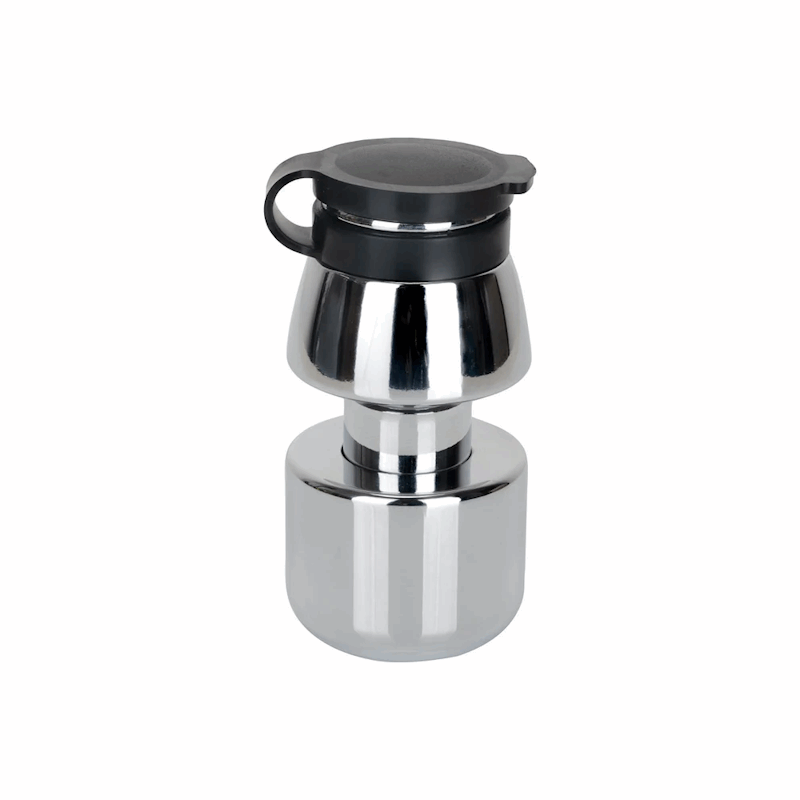
The Pragmasis DIB D-lock has a 16mm hardened-steel shackle, a double-locking mechanism and a choice of sizes. It also carries a Sold Secure Gold rating.
For particularly valuable bicycles or higher-risk locations, consider a lock specifically designed to provide greater resistance to angle grinders, possibly combined with a second lock of a different type.
2. What You Lock It To

A Sold Secure lock is of little value if it is attached to something that can be cut, unbolted or lifted out of the ground.
Look for something solid, securely fixed and ideally embedded in concrete. Purpose-built cycle stands are usually the best option.
The most common design is the Sheffield stand: a simple inverted U-shaped steel bar fixed into the ground. Its shape allows you to secure the bicycle’s frame and, depending on the bicycle and lock, at least one wheel.
Before locking up, take a few seconds to inspect the stand:
- Is it firmly fixed?
- Are any bolts loose or accessible?
- Has the stand itself been cut or damaged?
- Could the bicycle and lock simply be lifted over it?
Railings may be suitable where cycle parking is permitted, but check that they are substantial and securely fixed. Thin railings can be cut, while short posts and signs may allow a locked bicycle to be lifted straight over the top.
3. Where You Leave It

Theft prevention starts before you reach for your lock. Location is one of the most overlooked parts of bicycle security.
The key principle is simple: don’t give a thief somewhere quiet and concealed to work.
Choose a busy, well-lit location where there is regular foot traffic and good natural surveillance from shops, homes or building entrances. CCTV can help, but don’t assume that every camera is monitored or positioned clearly enough to identify someone.
Be cautious about cycle parking hidden in the depths of shopping-centre or railway-station car parks, beside loading bays or behind buildings. These places may be described as secure while still being dimly lit and poorly overlooked.
Whenever possible, choose a well-used rack in an open location. Thieves generally prefer isolation, time and privacy.
4. How You Lock It

How you use a lock matters almost as much as which lock you buy.
Always secure the frame to the stand. Where possible, include the rear wheel within the primary lock or immobilise it with a second lock.
Position the lock away from the ground. A lock resting on the pavement can provide a solid surface against which it can be struck or attacked. Keeping it higher reduces leverage and makes some tools more awkward to use.
Avoid positioning the lock where the bicycle’s frame or the stand provides a convenient platform for tools.
If you’re using a D-lock, fill as much of its internal space as practical with the frame, wheel and stand. Excess empty space makes it easier to insert a bar, jack or other tool.
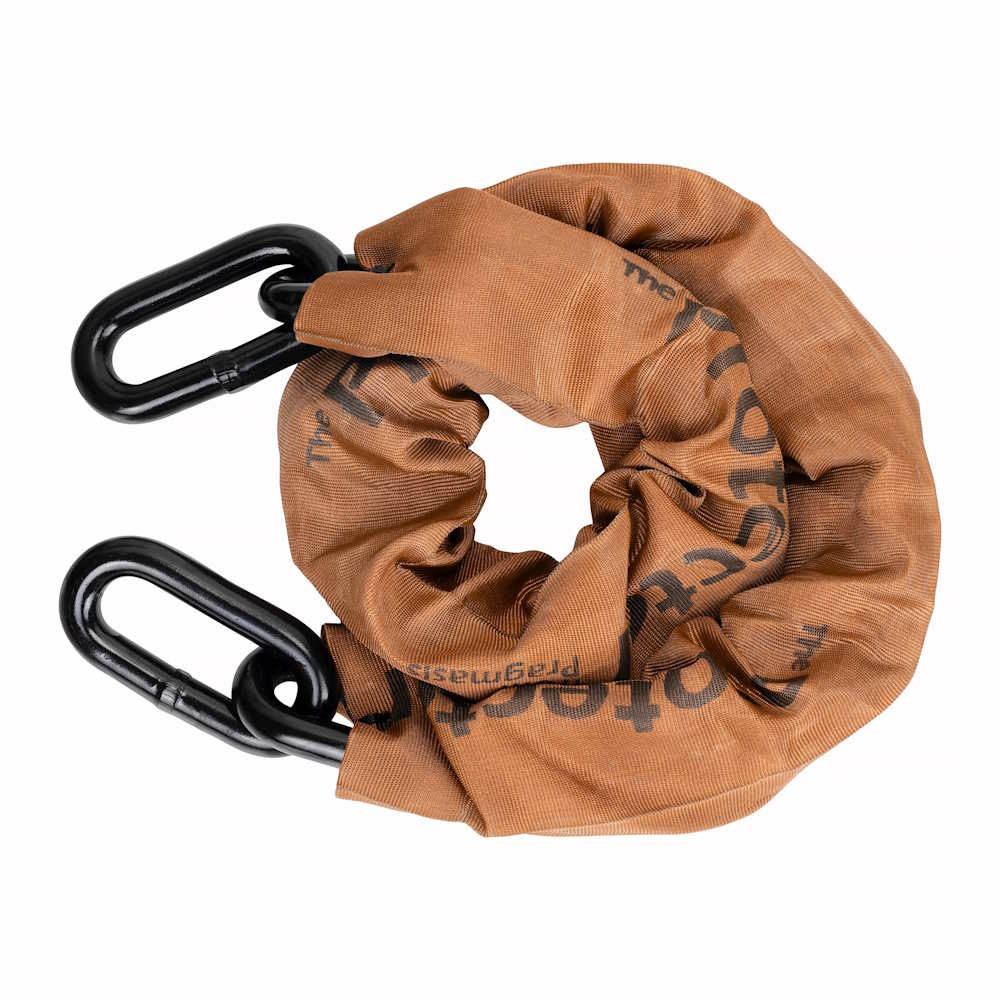
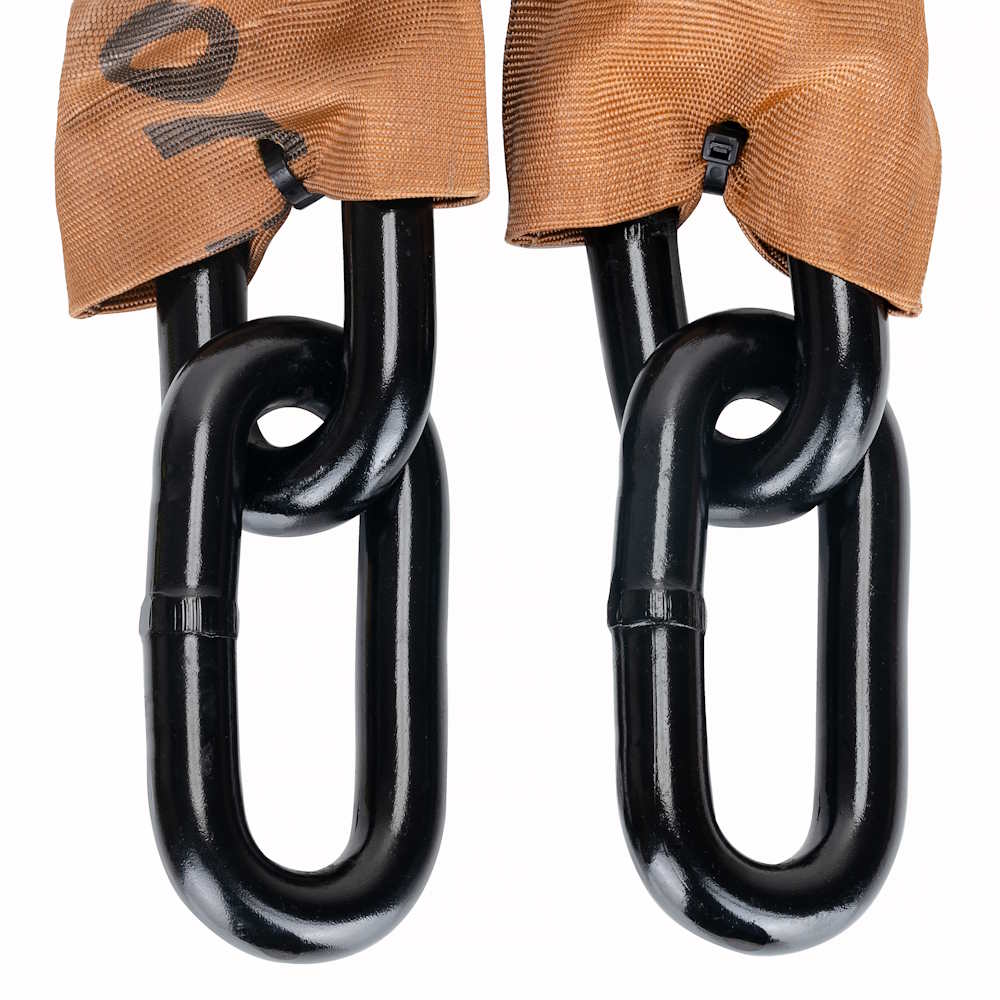
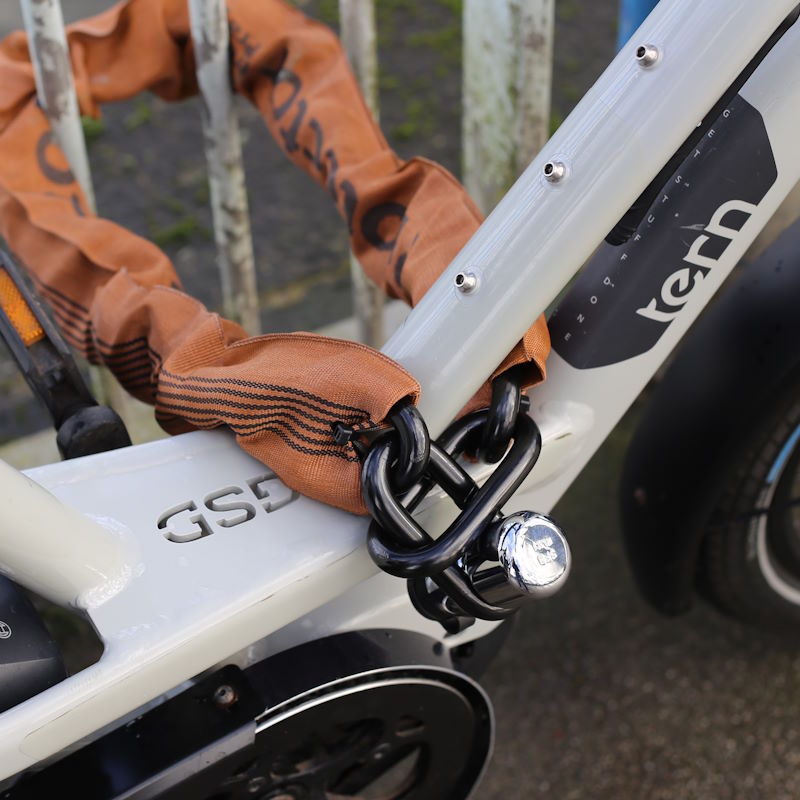
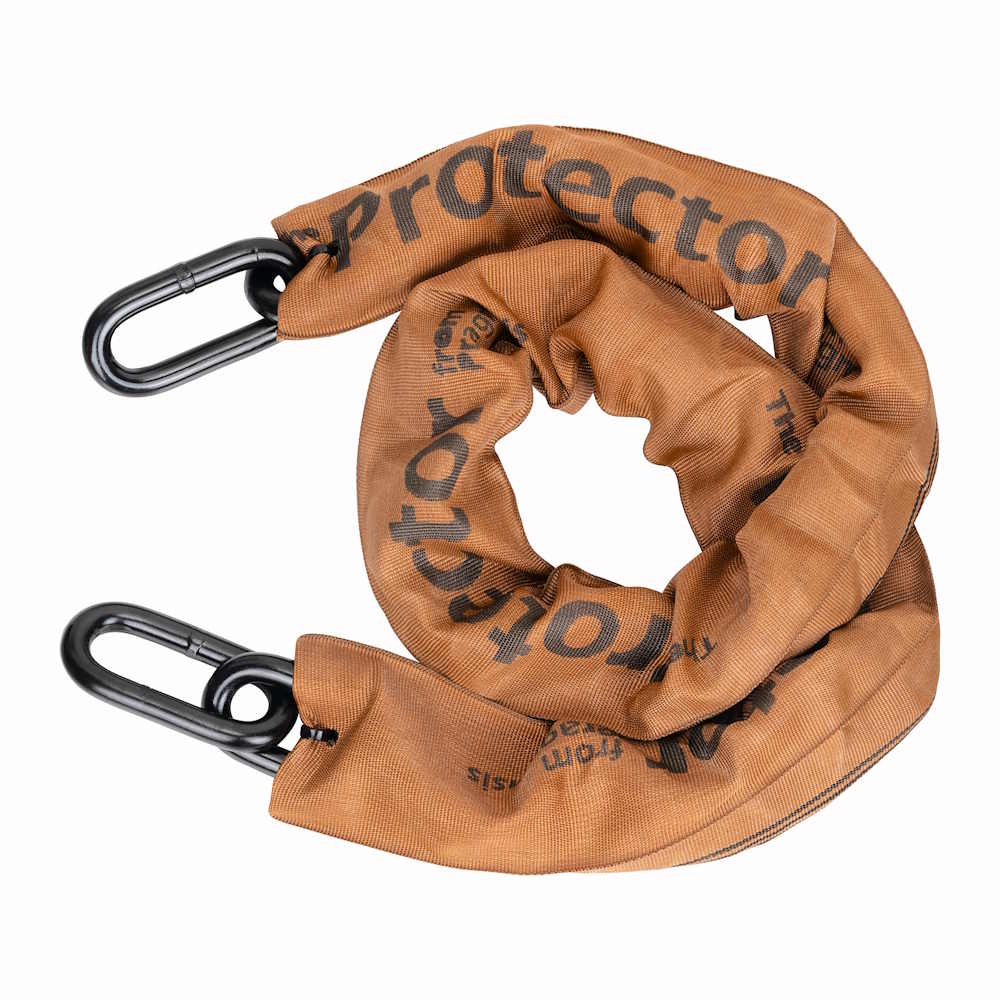
If you’re using a chain, keep it off the ground and remove as much slack as possible. Loose chain is easier to position for attack and may provide greater leverage.
A bicycle chain lock used alongside a D-lock provides flexibility and forces a thief to deal with two different pieces of security.
When I leave my bicycle in town for a longer period, I use a heavy-duty primary lock through the frame and rear wheel, together with a secondary lock through the frame. It isn’t theft-proof—nothing is—but it increases the time, tools and attention required.
Thieves prefer quick wins. Your goal is not invincibility; it’s inconvenience.
5. What You're Locking Up

Not all bicycles carry the same risk.
High-value e-bikes, race bikes, folding bicycles and certain recognisable brands can be especially attractive because they are valuable, portable or easy to sell.
Professional thieves aren’t guessing. They consider:
- How easily the bicycle can be removed
- How visible they will be while attacking it
- How much the bicycle or its parts may be worth
- How quickly they can move it on
Quick-release wheels and saddles also need consideration. Secure them separately, replace quick-release fittings with more secure alternatives, or take easily removable accessories with you.
If you own a valuable bicycle but frequently park in public, you may want to use a less conspicuous “town bike” for short journeys. A modest bicycle is often less attractive to thieves and far less painful to lose.
Locking Technique Matters More Than Lock Price
A modest lock used intelligently may provide better real-world protection than an expensive lock used badly. Conversely, even an excellent lock can be bypassed if it secures only a removable wheel or is attached to something weak.
Where should you lock a bicycle in the city?
When locking a bicycle in a city centre, visibility is one of the most important deterrents. Busy streets, shopfronts and areas with heavy pedestrian traffic are far safer than quiet side streets or hidden corners.

Bike security works in layers:
- Choose a busy, visible and well-lit location
- Lock the frame to something genuinely immovable
- Use a substantial, well-made lock that you will carry and use consistently
- Secure or immobilise at least one wheel as well as the frame if possible
- Keep the lock off the ground and minimise empty space
- Consider two different locks for valuable bicycles or longer stops
Do those things consistently and you will substantially improve your bicycle’s real-world security. Nothing is theft-proof. Most thieves are looking for the easiest option, not the hardest challenge.
Your aim is simple: make your bike the wrong choice.




Leave a comment
All comments are moderated before being published.
This site is protected by hCaptcha and the hCaptcha Privacy Policy and Terms of Service apply.