

Not everyone has the luxury of a brick-built garage with a roller shutter and CCTV. But if you’ve invested serious money in a bike, leaving it somewhere vulnerable simply doesn’t stack up.
And while bikes can look magnificent hung gallery-style in the hallway, those Instagram shots usually feature pristine carbon race machines. Try the same with a winter commuter wearing six months of road spray and see how long domestic harmony lasts.
For many riders, the reality is simpler: garage, shed, bunker—or the great outdoors. Each option comes with trade-offs. Here’s how to get it right.
Storing Your Bike Outside
When your bike lives beyond the back door, three factors matter: security, weather protection, and convenience. If it’s awkward to access, you’ll stop using the solution. If it’s exposed, corrosion creeps in. If it’s insecure, it’s a donation.
Whatever route you take, use a serious lock and consider insurance. Even the best kit can be defeated with enough time and intent.
The Garden Shed
A standard timber shed offers good weather protection but, in stock form, modest security. The weak point is almost always the hasp and staple: lever it hard enough and the timber gives way before the padlock does.
Security upgrades are essential:
- Reinforce hinges and hasps with coach bolts
- Consider a shed bar across the door
- Eliminate or obscure windows
- Bolt the shed down
- Install an internal anchor point
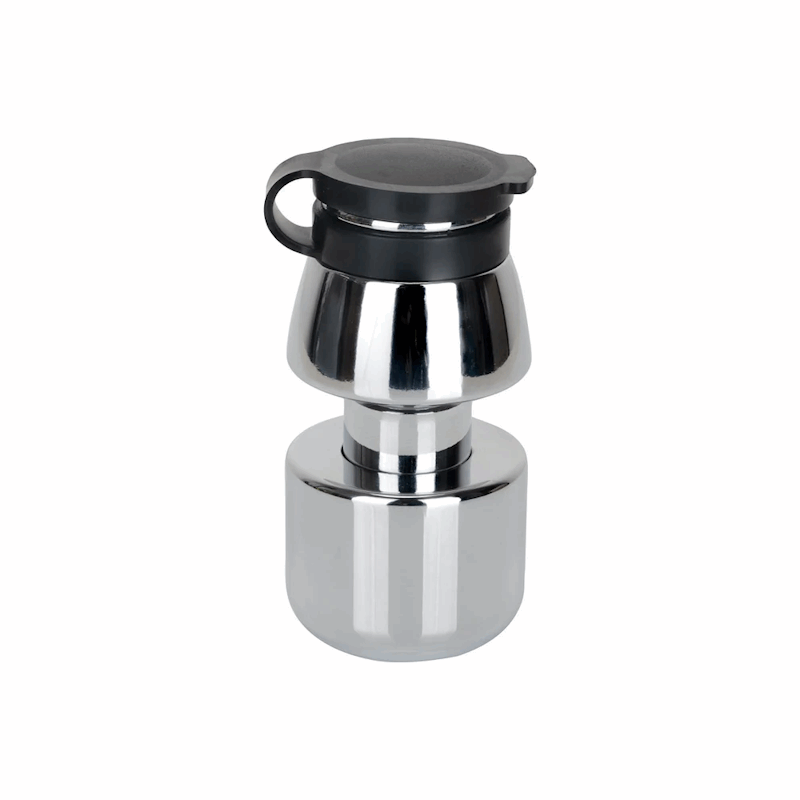
A purpose-designed anchor such as a Shed Shackle transforms a flimsy structure into something far harder to defeat. By anchoring through the shed, a thief would effectively need to dismantle the building to remove the bike.
A basic wooden shed can work well—but only once you address its weak points.
Before You Buy a Shed: Critical Questions
1. Where will your shed go?
Access and visibility matter. If it’s awkward to reach, you won’t use it. If it’s hidden from view, it may attract unwanted attention.
For flats, communal land usually requires permission. Temporary plastic or metal units may be more realistic than permanent timber builds.
2. What size shed do you actually need?
Underestimate space at your peril. Tight storage leads to damaged bikes and daily frustration.
Minimum internal dimensions (guideline):
1 bike:
180 × 60 cm (parallel)
150 × 90 cm (diagonal)
2 bikes:
180 × 90 cm (parallel)
150 × 120 cm (diagonal)
3 bikes:
180 × 120 cm (parallel)
180 × 150 cm (diagonal)
Add at least 30 cm (1 ft) in each direction if you want:
- Easier access
- Upright stands
- Shelving
- A small workshop zone
And don’t forget height—you should be able to stand upright comfortably.
3. What materials should you choose for your shed?
Wood: Affordable, adaptable, easy to reinforce—but heavier to relocate.
Plastic: Lightweight and weather-resistant, harder to upgrade security.
Metal: Strong, durable, lower maintenance, often more secure.
If you’re renting, portability matters. Metal or plastic units make relocation easier than dismantling a timber build.
Weatherproofing can be improved on timber sheds using sealant, treatment and membranes at modest cost.
4. Do you need additional shed security?
Almost always, yes.
Upgrades to consider:
Higher-grade padlocks
Reinforced hinges
Window coverings or removal
Shed bar
Floodlight with motion sensor
Bolting the shed to ground
Strengthened roof, with internal metal bracing to prevent the roof from being pryed off.
Interna anchor point, like the Super Shed Shackle
Security works in layers. The aim isn’t to create Fort Knox—it’s to make your setup a harder, noisier, more time-consuming target than the one next door.
Tools You’ll Likely Need
- Power drill
- Hammer
- Hacksaw
- Screwdrivers
- Spirit level
- Screws, bolts, washers
- Tape measure
- Pencil
- A strong cup of tea
- A second pair of hands
Bike-Specific Stores & Bunkers
Purpose-built bike stores are a significant step up in security.
Brands such as:
- Armadillo
- Trimetals
- Cyclepods
…offer galvanised steel units that can be bolted to the ground and secured with high-quality locks. Many also allow internal anchors for chains or D-locks.
Advantages:
- Steel construction
- Better resistance to forced entry
- Compact footprint
- Low maintenance
Drawbacks:
- Expect to budget £800+
- Expensive? Perhaps. But still cheaper than replacing two stolen bikes.
Leaving It Outside
Sometimes a shed isn’t possible. You might not have the room or you might be renting and not be allowed to install one. Or you might live in a flat, in which case your neighbours probably wouldn't appreciate a shed popping up on the communal grounds!
If you can't store your bicycle inside a structure, see if you can do any of the following:
- Install a dedicated wall or ground anchor
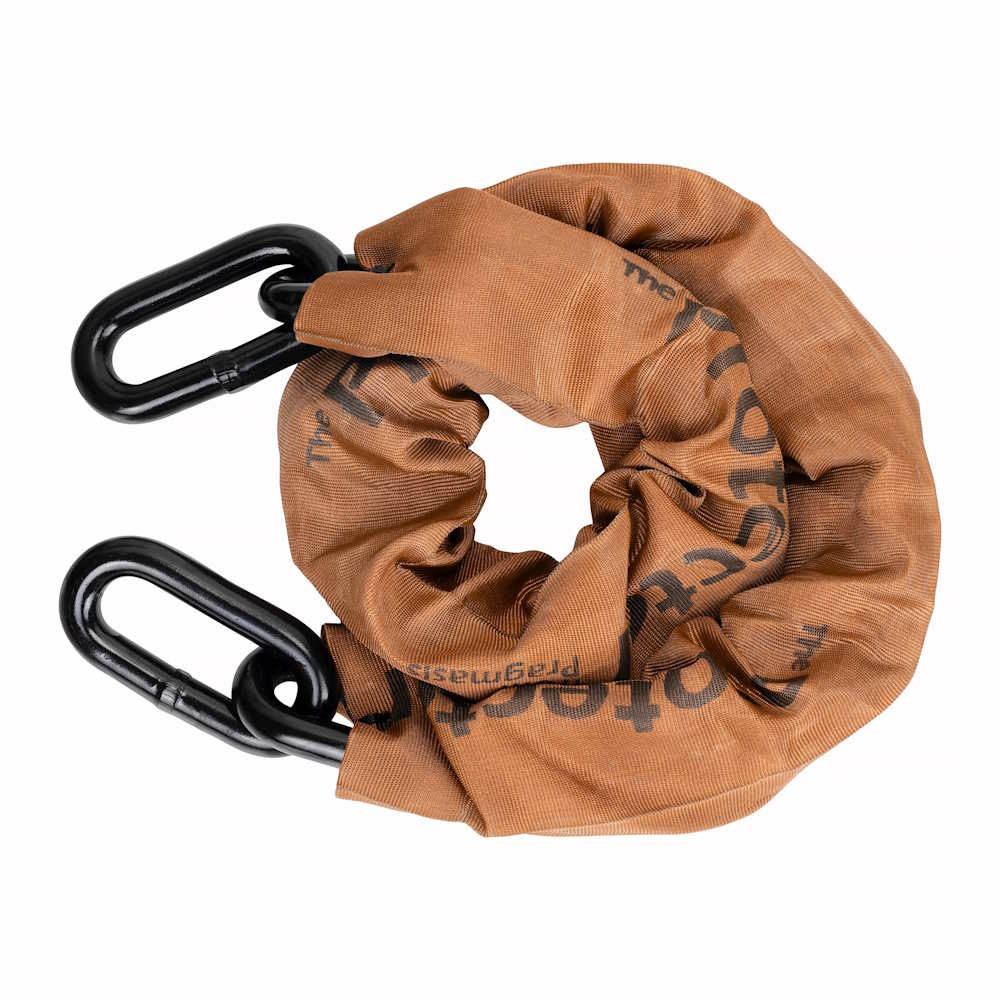
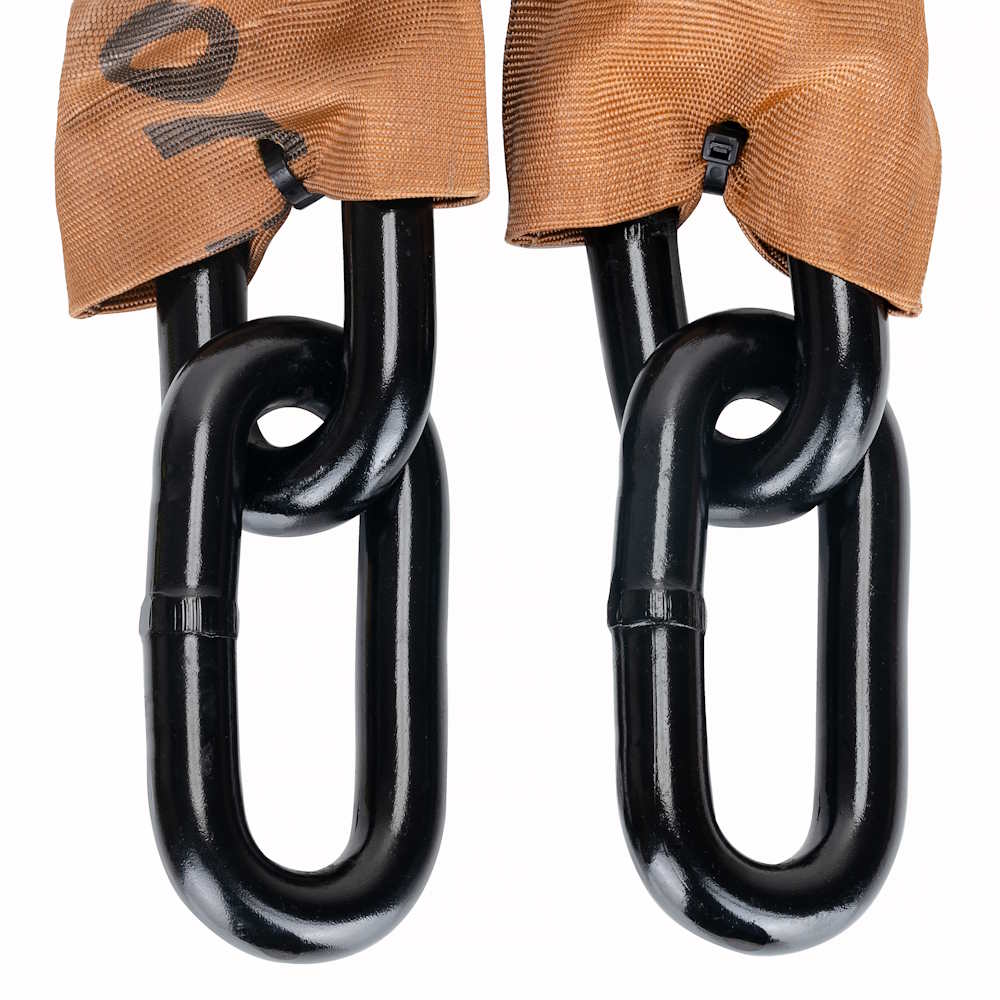
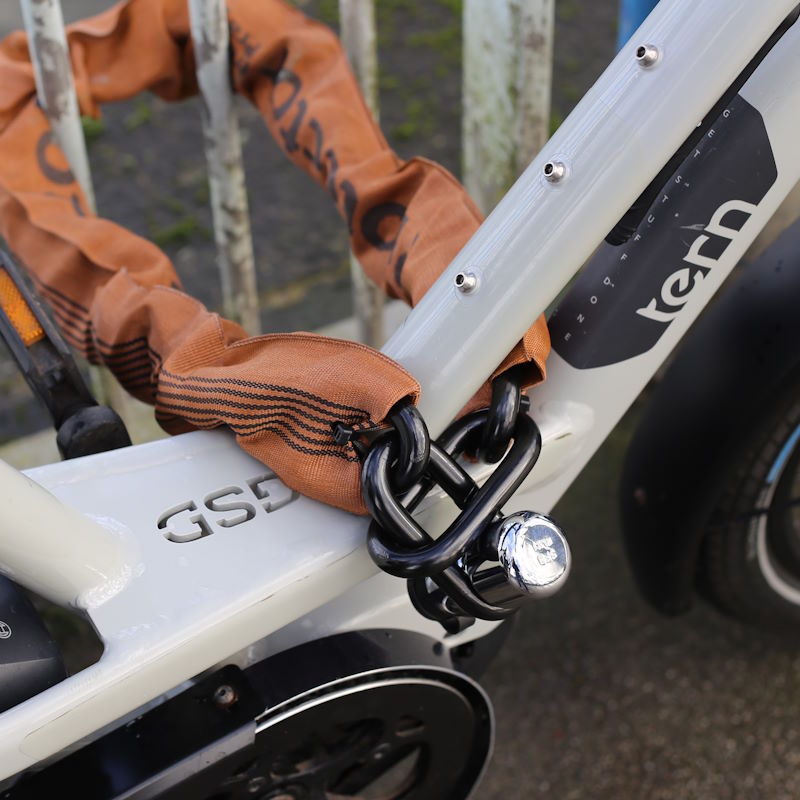
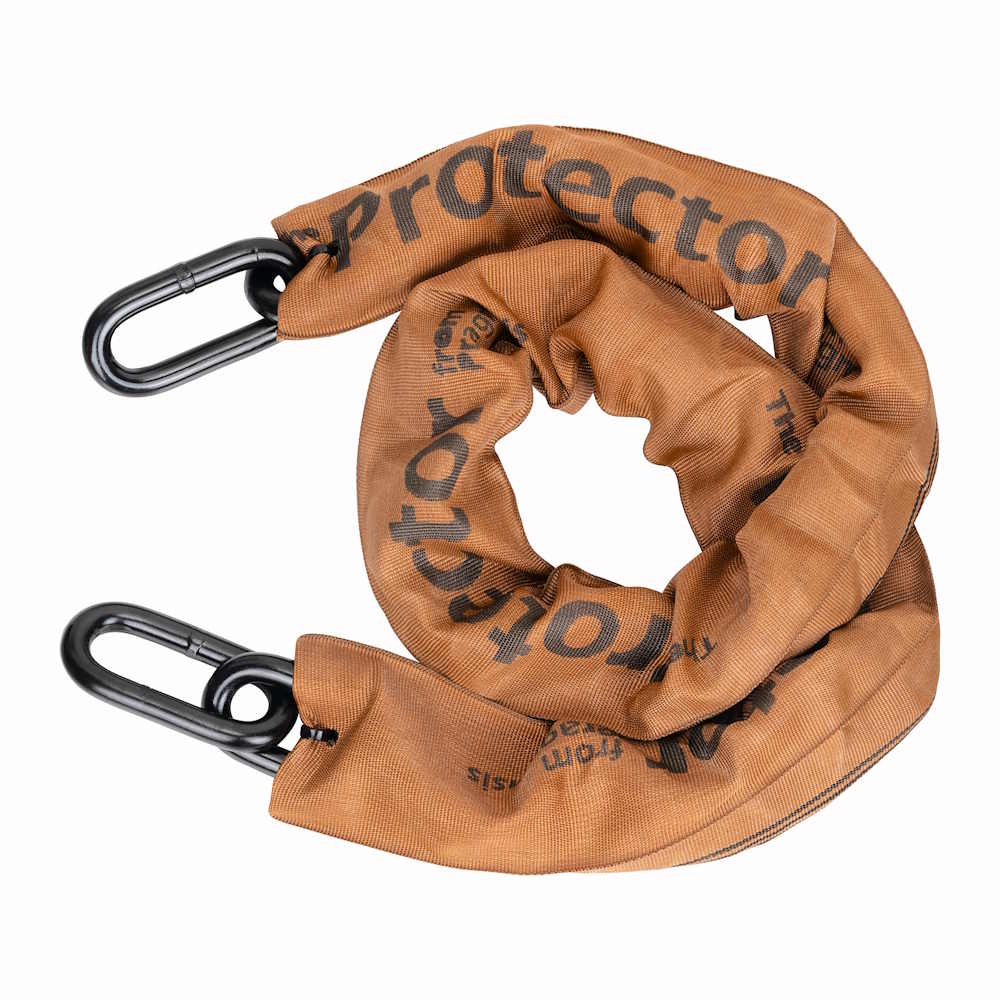
- Use a Sold Secure–rated D-lock or heavy-duty chain
- Add locking skewers to prevent component theft
- Use a quality waterproof cover
Storing Your Bike Inside
The Garage
Garages are ideal—if used properly. However, leaning bikes against walls can take up floor space and invites damage.
Smarter solutions:
- Vertical hanging from front wheel hooks
- Horizontal hanging using dual supports
- Ceiling hoists for high roofs
Up-and-over garage doors are not impregnable. Adding an internal anchor and quality lock adds meaningful resistance.
Ceiling hoist systems and rail mounts keep bikes clear of cars while preserving floor space. For heavier e-bikes, ensure fixings are rated appropriately.
Inside the House or Flat
Storing a bike indoors removes most theft risk—but introduces domestic considerations.
Key issues:
- Oil and water damage to carpets
- Sharp pedals at shin height
- Stability when leaned against walls
Wall mounts, ceiling systems, or freestanding stands prevent toppling and reduce clutter. If you rent your property and drilling isn’t permitted, look at tension-mounted or freestanding solutions.
A folding bike like the Brompton is a compact alternative, small enough to live behind a door or under a desk.
In summary
Secure storage isn’t about aesthetics. It’s about practicality, deterrence, and reducing risk.
A £3,000 bike secured with a £15 chain and lock is pointless. Invest proportionally. Reinforce weak points in any structure. Add an anchor and secure your bicycle to it. And make the daily routine simple enough that you’ll actually use the security you have.




Leave a comment
All comments are moderated before being published.
This site is protected by hCaptcha and the hCaptcha Privacy Policy and Terms of Service apply.