SECURE YOUR BICYCLE
Locking your bicycle or e-bike isn't just about the lock
A good lock is only part of bicycle security. What you attach it to, how you lock the frame and where you leave the bike all matter. The right setup also changes depending on whether you are stopping at the shops or leaving your bike in the shed overnight. For everyday stops, start with a suitable D-lock and a solid attachment point. Add a chain when you need more reach or want to secure wheels or another bike. At home, a properly fitted anchor gives you a dedicated point to lock to, even inside a locked shed or garage.
START WITH THE FRAME
Always make the frame part of the locking arrangement. Locking only a wheel to a rack can leave the rest of the bike free to be taken. Check the rack or post too: a strong lock cannot compensate for something that can be cut, unbolted or lifted out of the ground.
D-locks
Choose a D-lock that fits around your frame and the stands you use most often.

D-LOCKS
FOR OUT AND ABOUT
A D-lock is a practical starting point when you need security you can take with you. Choose one that will pass around your frame and the fixed object you normally use. If it also captures a wheel, so much the better, but the frame comes first.
A smaller shackle can leave less room to work on the lock, but it is no use if it will not reach around the bike rack. Check the usable space inside the shackle against your bike and typical parking spots before choosing.
For longer stops or places where theft is a particular concern, consider additional security. A second lock can protect another part of the bike, while a chain can help reach an attachment point that a D-lock cannot.
CHECK BEFORE YOU BUY:
- FIT: Compare the space inside the D-lock with the space you need around your frame and the stand you normally use.
- REACH: If the stand is too far from the frame for a D-lock alone, measure the route with a piece of string before choosing a chain.
- WEIGHT: If you’ll take both a lock and chain on every ride, look at their combined weight before deciding.
HOW TO MAXIMISE THE SECURITY YOUR LOCK OFFERS
Choose a cycle stand you can see easily from the street or wherever you’re stopping. Before locking up, give the stand a tug to check it’s firmly fixed. If the lock could be lifted straight over the top of a post, find another spot.
Get the bike close to the stand so the lock doesn’t have to stretch across a gap. If you’re using a chain, keep it off the ground where possible. At home, the same idea applies: put the anchor close enough to the bike’s usual parking spot that locking up becomes part of putting it away.
WHEN A SECOND LOCK IS USEFUL
If your main D-lock secures the frame and rear wheel to the stand, the front wheel may still be easy to remove. That’s where a second lock earns its keep, especially if the front wheel has a quick-release skewer. Use it to secure the front wheel to the frame or to the stand.
If the problem is that your D-lock won’t reach the stand in the first place, a compatible chain can give you the extra reach. Check that the chain and lock work together before buying.
HOW TO LOCK YOUR BICYCLE TO A STAND
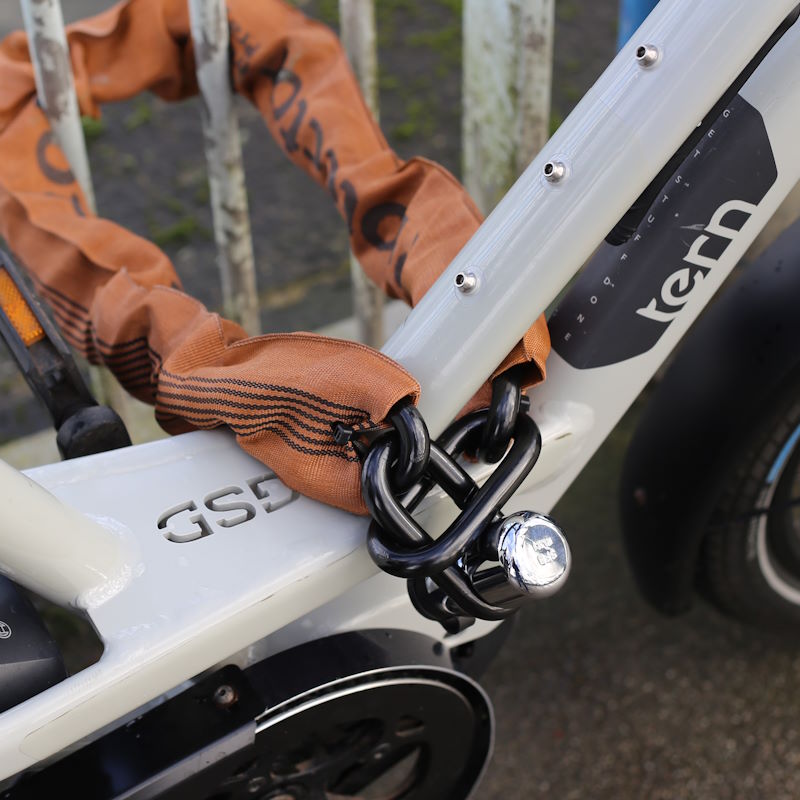
- Start with the frame. Pass the lock or chain through the frame and around the stand.
- Include a wheel if it fits. If the lock won’t reach all three, prioritise securing the frame to the stand.
- Close the lock and give it a pull. Check it’s fully engaged and the bike can’t be lifted free of the stand.
Chains
Chains for extra reach and additional security.

CHAINS GIVE YOU EXTRA FLEXIBILITY
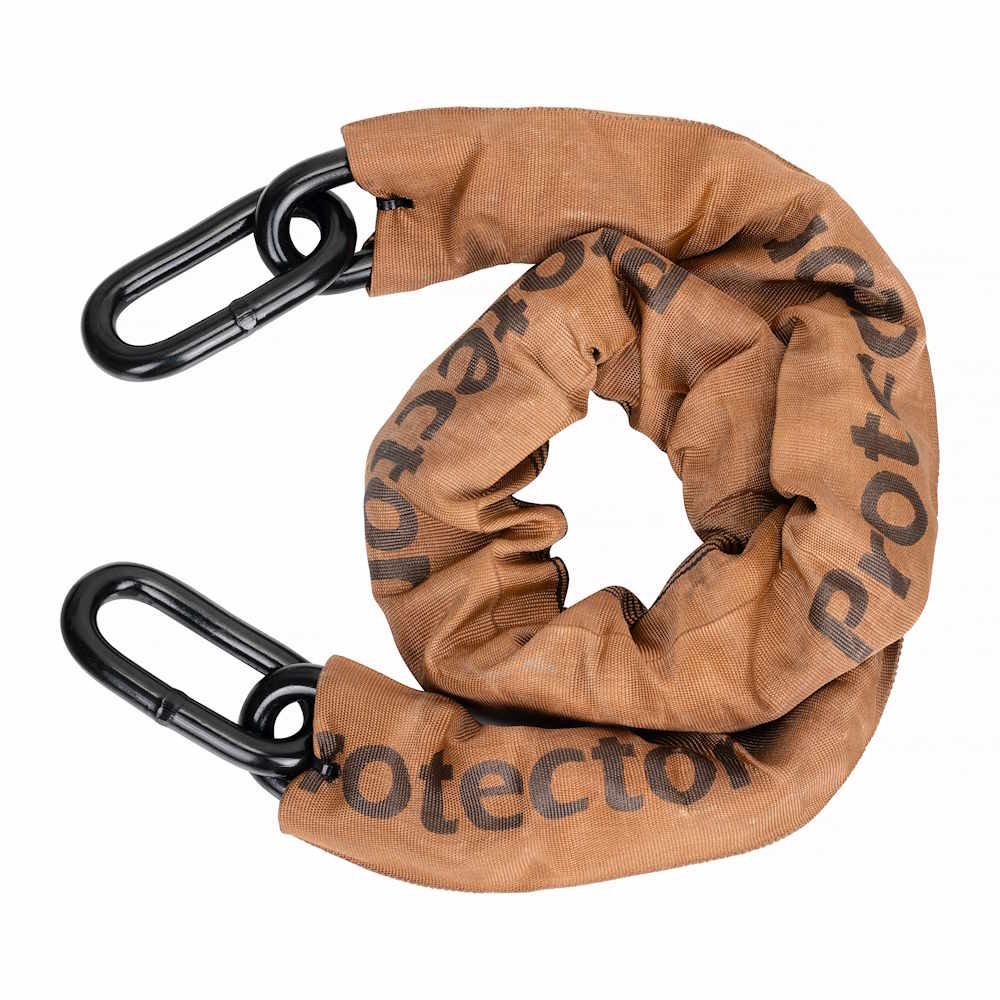
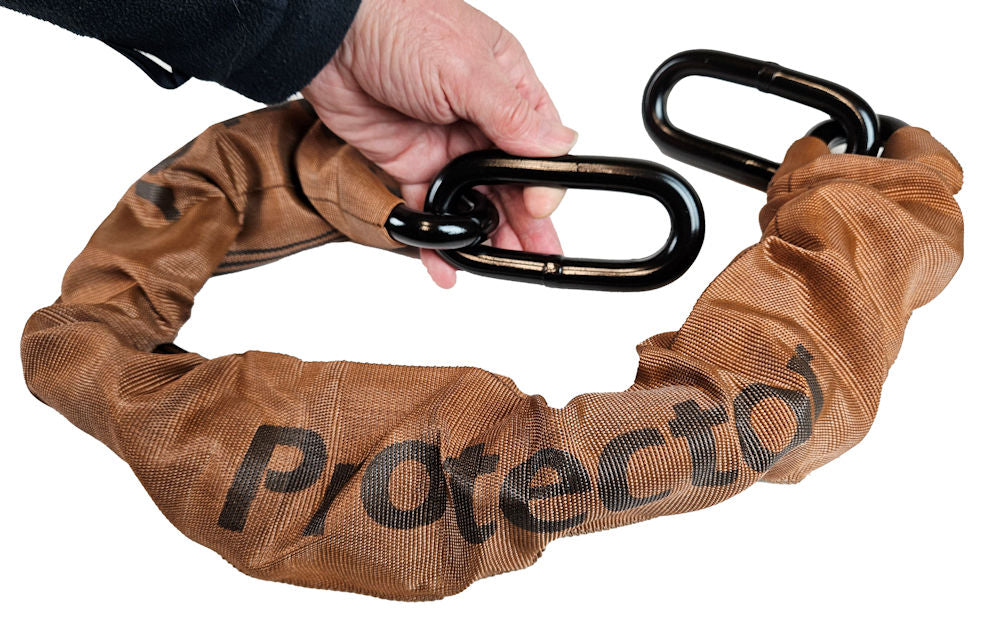
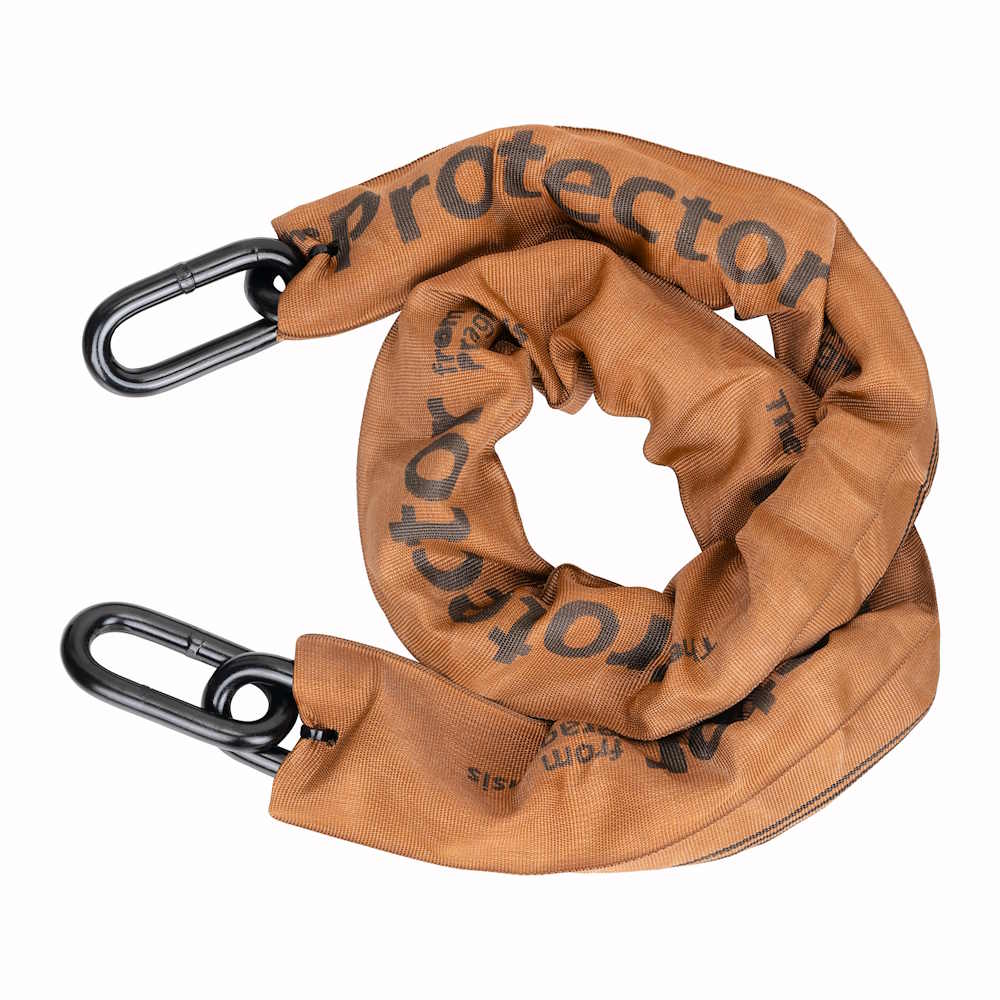
A chain gives you flexibility. It can reach a post that's too far away for a D-lock, or wrap around a fixed object too large for a D-lock shackle to fit around. It can also pass through a wheel as part of an additional locking arrangement, or secure more than one bicycle. Whichever combination you use, keep the frame connected to the fixed object.
If you'll be carrying the chain, think about the weight of the whole setup, including the lock. At home, where you can leave it in place, a heavier chain is more practical. One setup doesn't have to do every job.
Choose your length by measuring the route the chain will actually take. Pass a piece of string through the frame and around the intended attachment point, allow room to connect the lock, then measure it. Check that the chain links will pass through any narrow gaps before you order. Our 0.9m noose chain is a versatile option, long enough to secure a frame and wheel together or reach around an unconventional object.
Anchors
Give your bike a secure attachment point at home.

SECURITY AT HOME
A locked shed or garage is a useful first layer, but it should not be the only thing protecting the bicycle. Lock the frame to a suitable anchor inside, so gaining entry does not leave the bike ready to wheel away.
Choose the anchor to suit the structure you are fixing it to. The strength and condition of the timber, masonry or concrete matter, as do the fixings and the way they are installed.
TIMBER SHEDS
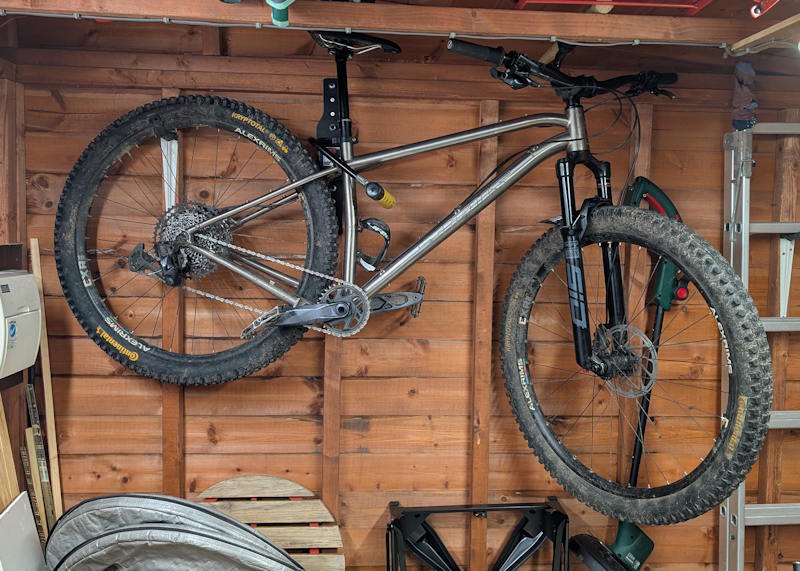
The Super Shed Shackle provides an attachment point for a chain inside a suitable timber shed. Plan its position around the shed structure and the route through your bicycle frame. Check the fitting instructions before ordering so you can establish whether your shed is suitable.
CONCRETE AND BRICK WALLS
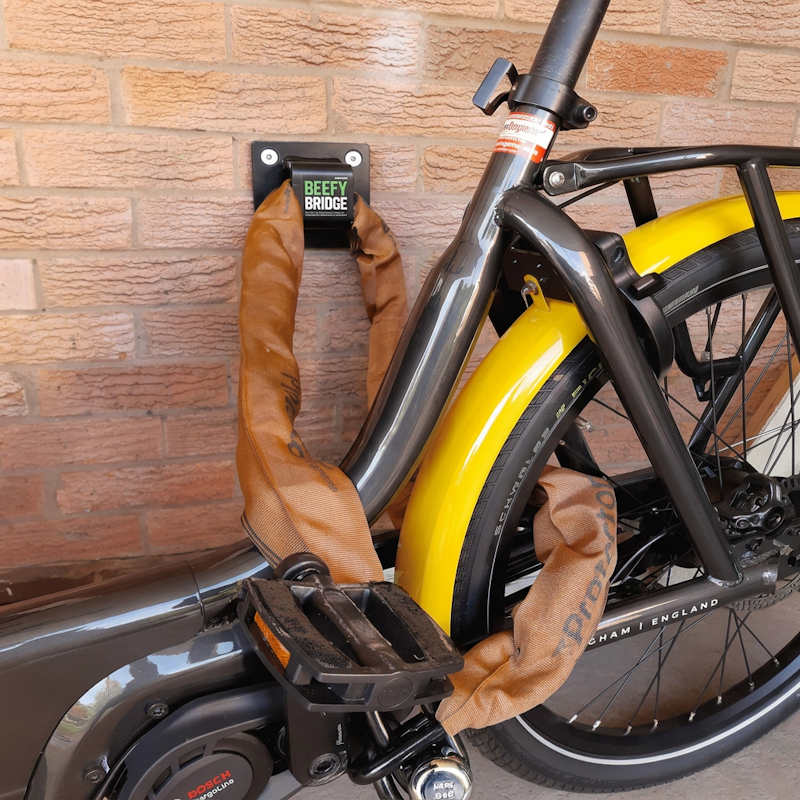
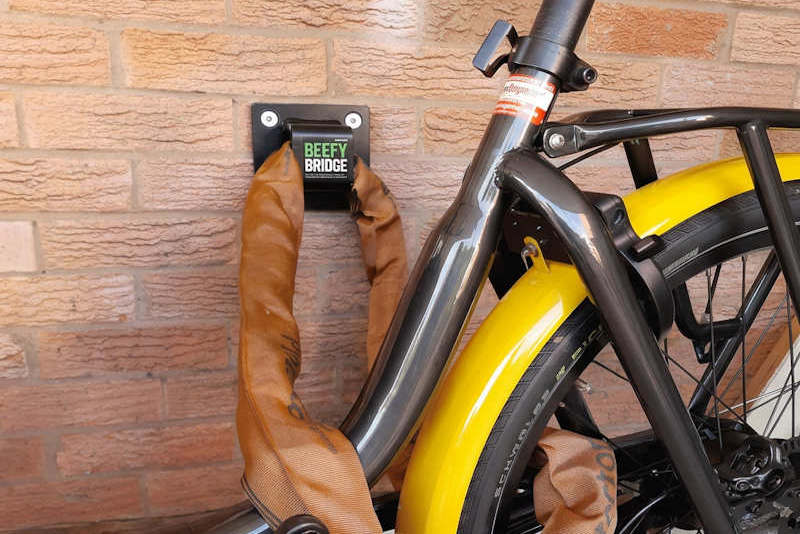
Where you have a suitable wall or floor, the Beefy Bridge gives you another way to create a dedicated locking point. Position it so the chain reaches the frame comfortably and you can use the lock without struggling each time you put the bike away.
RECOMMENDED SETUPS AND PACKAGE SAVINGS
Save £10 when you buy any two or more items from our Security Chains, Locks and Ground Anchors collections.
Mix and match across the three collections, or choose two items from the same collection. Enter BICYCLE10 at checkout.
The £10 saving applies once per order and cannot be combined with other product or order discounts.

RECOMMENDED SETUP
For EVERYDAY
STOPS:
Choose a D-lock that fits around both a frame tube and the cycle stands you use most often.
With the Pragmasis DIB D-lock, the choice comes down to how much room you need:
- 130mm shackle: A compact option if you can get the frame close to the stand. Check the fit first, especially if your bike has a chunky frame or you often use wider stands.
- 190mm shackle: Gives you more room around the frame and stand. Depending on your bike and the stand, it may even let you secure a wheel with the same lock.
Quick fit check: Park your bike next to the stand you normally use and measure the gap the shackle needs to span. If the lock won't fit around the frame, stand and wheel together, secure the frame to the stand first.
RECOMMENDED setup
For a bicycle
secured in a shed:
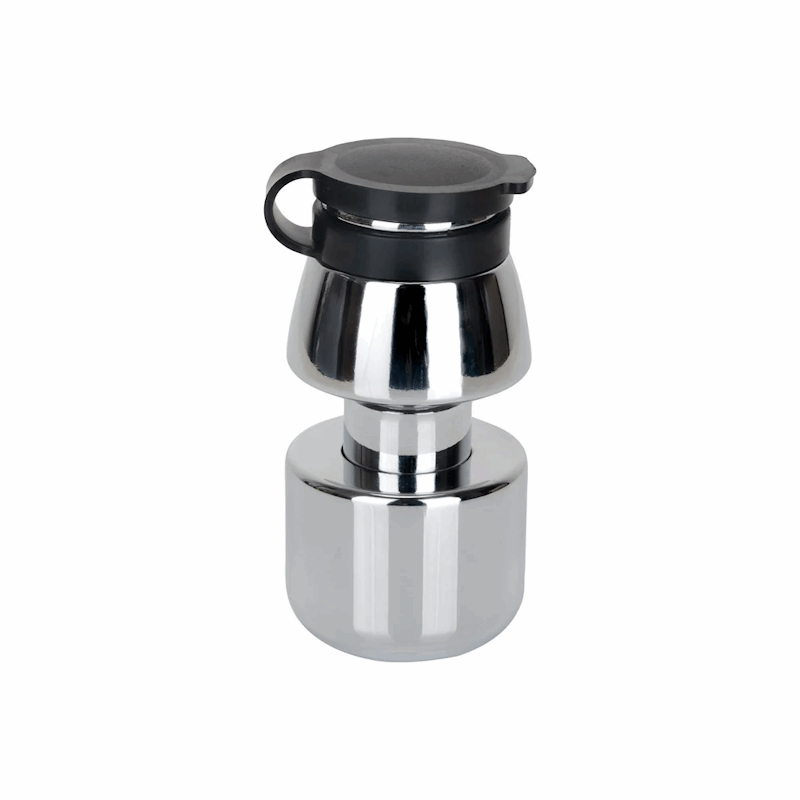
Anchor your bike inside the shed with a Super Shed Shackle fitted to the timber frame. Run a Protector chain through the frame and the shackle, then lock it with a Roundlock or D-lock. Choose the DIB D-lock and you get a chain that fits your setup at home, plus a D-lock ready for the road.
Quick fit check: Park the bike where you normally keep it, then use a piece of string to measure the chain's route through the frame and the Super Shed Shackle. Leave enough slack to close the lock comfortably, and make sure the lock suits your chosen chain.
Securing two bikes? If they park side by side close to the Super Shed Shackle, a long DIB D-lock may be all you need. The 260mm version works where the frames sit close together, while the 300mm gives you extra reach. Before you choose, check that the lock can hold a tube on each frame as well as the shackle.
Strengthen the shed door too: If they suit your door, add a Watchman Wooden Door Security Bracket and a hinge upgrade kit. This gives you two layers of protection: a stronger entrance, and bikes that stay locked to an anchor even if someone gets inside.
RECOMMENDED SETUP
For a bicycle
secured in a garage:
Give your bike a permanent place to lock up in the garage. Fit a Beefy Bridge to a suitable wall or floor, then use a Protector chain and a compatible lock to secure the frame to the anchor.
Quick fit check: Park the bike where you normally keep it before deciding where to mount the anchor. Use a piece of string to measure the chain's route through the frame and the anchor, leaving enough slack to close the lock comfortably. Check the fitting instructions to make sure the wall or floor is solid before you drill.
BEFORE YOU BUY
Check that the lock or chain will fit through your frame and around your intended attachment point. Measure the chain route, check the anchor’s fitting requirements and decide how much weight you are happy to carry. If your insurer specifies a lock or other security conditions, check those requirements before ordering.
Do I need to lock my bicycle inside a locked shed?
We recommend securing the frame to a suitable anchor inside as well. The shed door is one layer of protection; the internal locking arrangement adds another if someone gets in.
Can I use the same chain at home and when riding?
You can, if it suits both jobs. The compromise is usually weight and length. A chain that is convenient at home may be more than you want to carry, so separate setups can be easier to live with.
How long should my chain be?
Measure the actual route through the frame and around the attachment point using string. Allow room to connect the lock and check that the links will pass through the necessary gaps.
Is locking a wheel enough?
Make the frame part of the connection to the fixed object. A wheel can often be removed, so a lock securing only the wheel can leave the rest of the bicycle vulnerable.
Which anchor should I choose?
Start with the structure available. Consider the Super Shed Shackle for a suitable timber shed installation and the Beefy Bridge where a suitable wall or floor is available. Read the fitting instructions before choosing.
1000s of customers trust Pragmasis
Established in 2003, we've built our business on quality, reliability and customer service.

James T
Great products
Thanks for some great products. Your kit protected my bikes perfectly during a burglary a few years ago and it’s still going (extremely) strong.
Ben R
Still going strong
I bought from you once and only needed to buy once in 2016, but suffice to say that the 19mm bespoke length chain, and ground anchor installed according to Pragmasis instructions are still going strong, keeping my bike safe just off the street in Brixton, London.
Mr B
Wholly impressed
I would like to say I am wholly impressed with the ground anchors, chains and padlocks that I have purchased over the past few years and will always recommend you when the opportunity arises.
C Rowe
Torc Ground Anchor
Excellent quality piece of kit. Our second anchor to date. Exceptional service. Nice to see a British company up there supplying quality goods and customer service
Steve
Top class service
This is a serious chain! I certainly feel more comfortable that my bikes are well secured. Very pleased with the service too. I phoned then placed an online order and my chain arrived the next day. Excellent product and 1st class service. Thank you!
Bestsellers