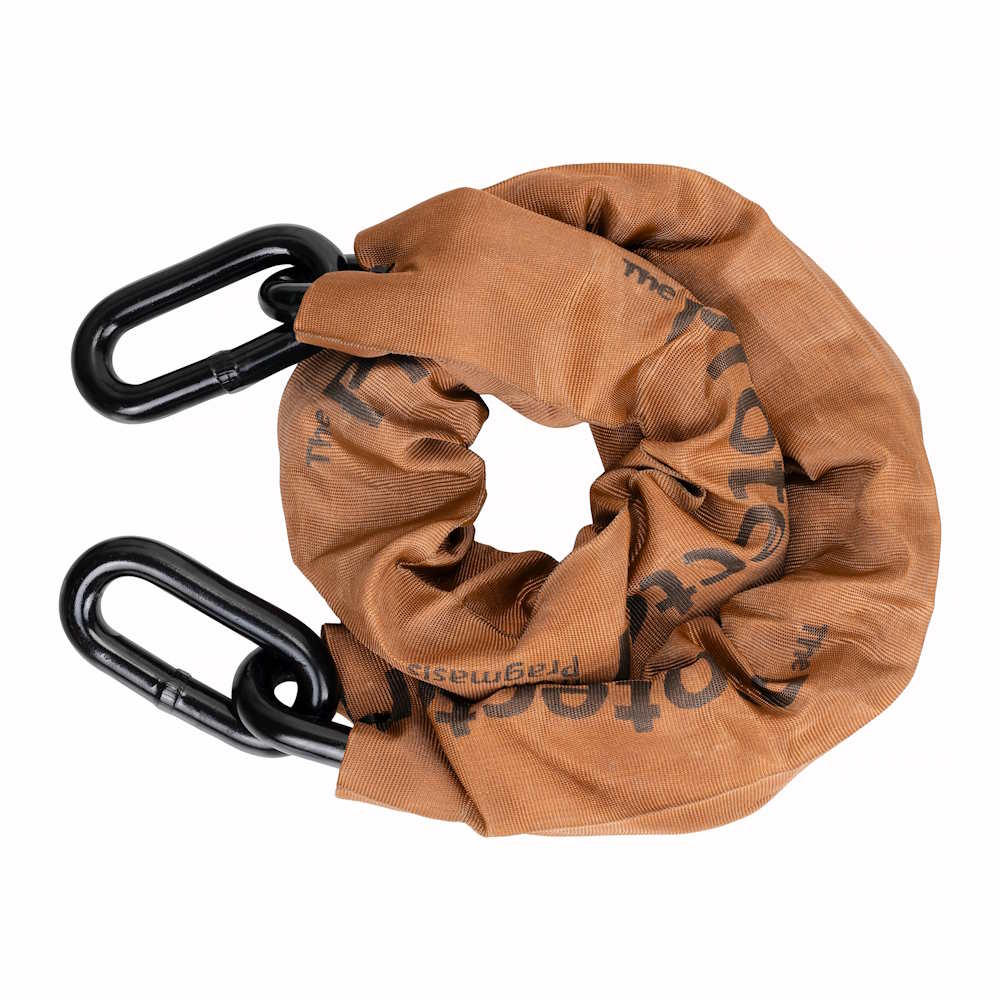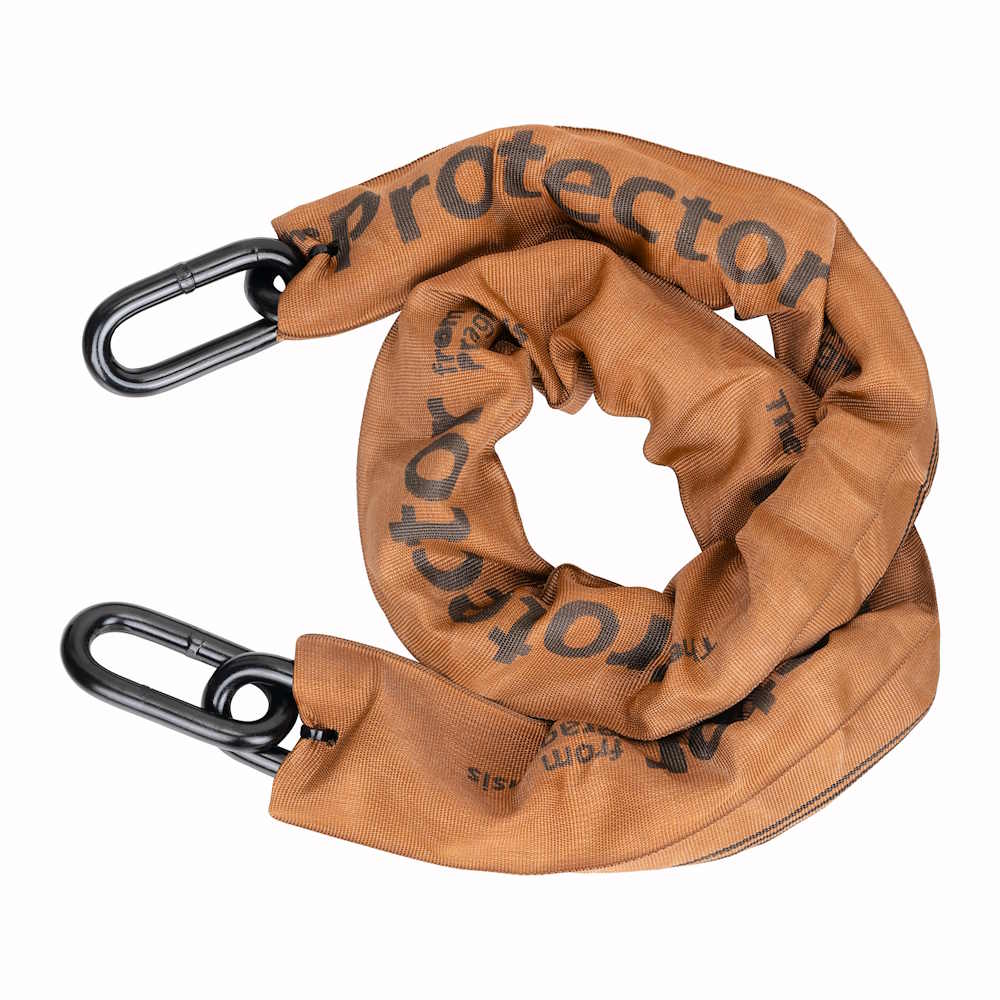
How to check whether your padlock will fit your security chain


To check if a padlock will fit a security chain, you need to compare the padlock's internal clearance with the internal dimensions of the chain link - not just the shackle thickness.
Check what needs to pass through the link
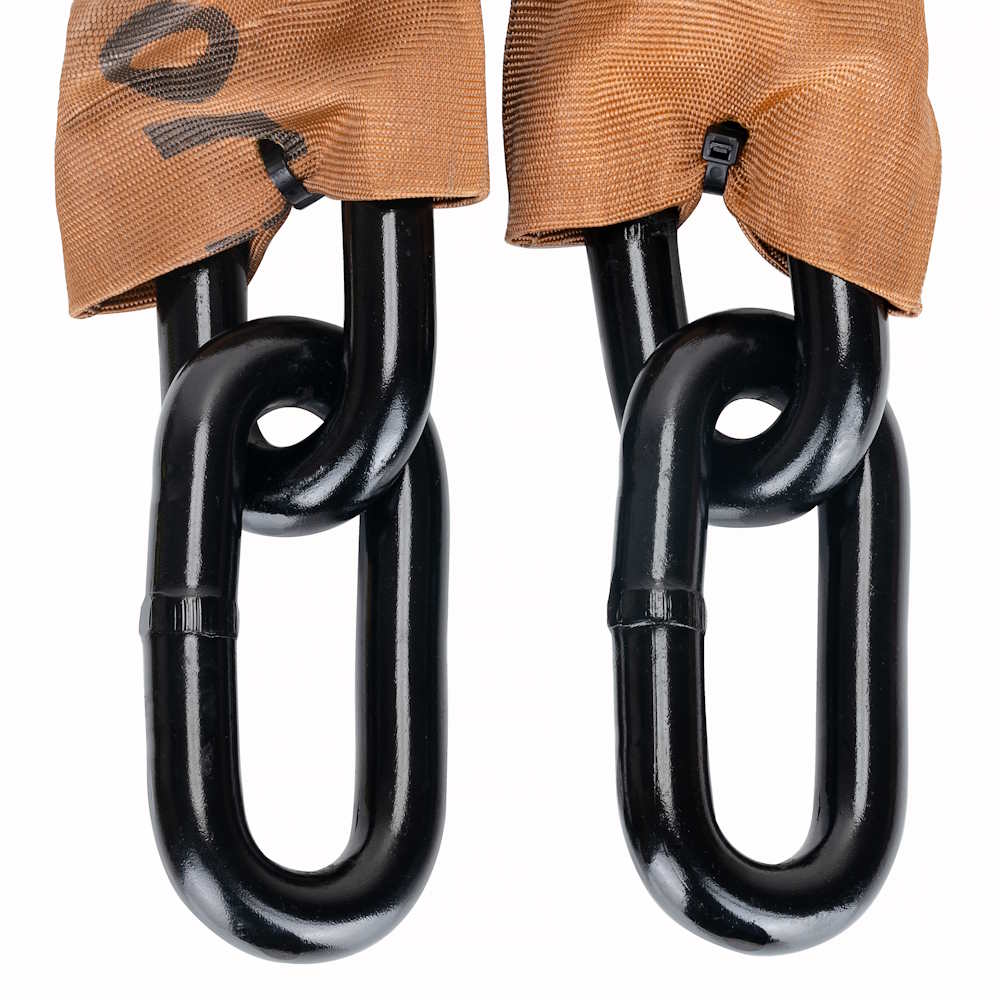
Compare the outside dimensions of the lock shackle, including its protective cover, with the opening inside the chain link. A square or oval shackle may fit in one orientation but not turn freely inside the link.
Security balance
It's also important to balance out the security offered by the padlock and the chain. There's no point having a Sold Secure Gold rated chain if you use a £10 padlock. The thieves will usually target the weakest security first.
Why padlock compatibility matters

A padlock that doesn't fit correctly can:
- Be impossible to use at all
- Sit loosely, creating leverage points
- Force the chain to rest on the ground, reducing security
This is one of the most common causes of frustration when pairing locks and chains - especially with thicker, high-security chains.
The two measurements that actually matter
When checking compatibility, ignore brand names and marketing terms and focus on internal dimensions.
You need to know:
- Internal width of the chain link. This is the narrowest point inside the chain link where the padlock must pass through.
- Internal height of the padlock shackle or locking aperture. This is the usable clearance inside the padlock, not the external size.
If the padlock cannot pass cleanly through the chain link without forcing or twisting, it does not fit.
Why shackle thickness alone is misleading
Many padlocks advertise shackle thickness (e.g. 10 mm, 12 mm, 14 mm), but this figure alone tells you very little.
A thick shackle:
- May still have limited internal clearance due to the lock body shape
- May not fit through tightly spaced chain links
- May only work with specific chain designs
Compatibility is determined by clearance, not strength on paper.
How to check compatibility yourself
If you already own the chain:
- Measure the internal width of a link at its narrowest point using a ruler or calipers
- Compare this with the padlock's internal dimensions
If you don't own the chain yet:
- Check the manufacturer's stated internal link dimensions
- Compare them to the padlock's clearance, not its external size
If dimensions are close, allow a small margin - chains are rigid and don't behave like rope.
Closed-shackle vs open-shackle considerations
Closed-shackle padlocks:
- Offer better resistance to cutting
- Require more internal clearance to fit correctly
Open-shackle padlocks:
- Are more forgiving on fit
- Expose more of the shackle to attack
Always prioritise fit first, then security level.
Check the space needed to close the lock
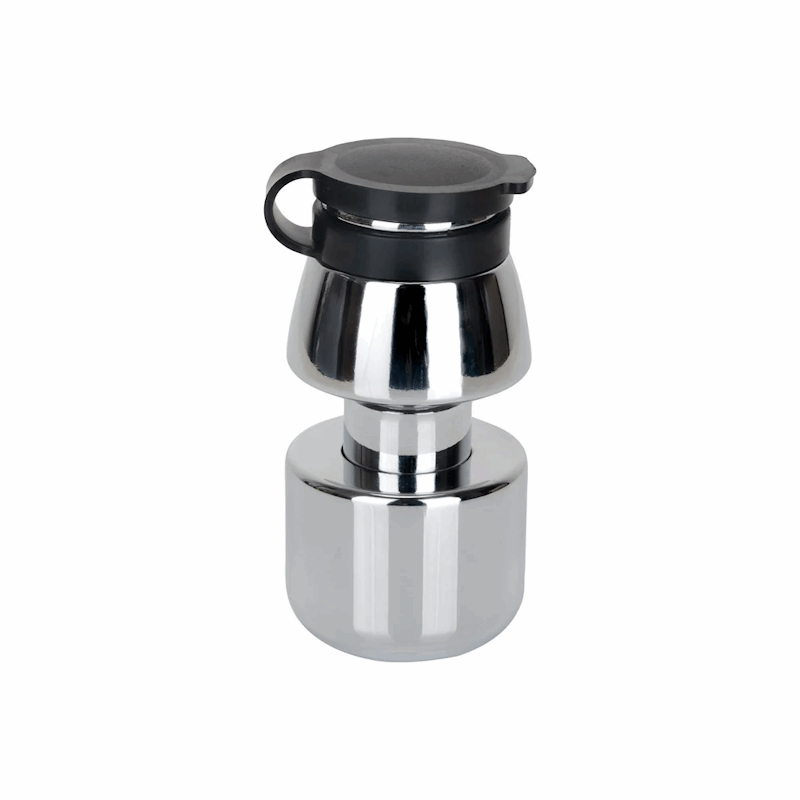
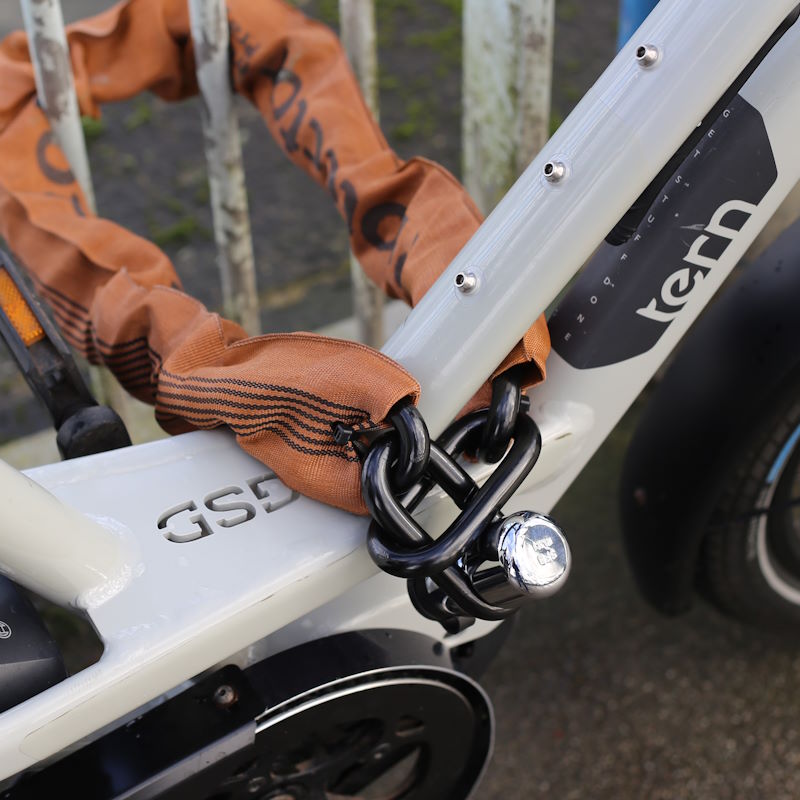
For a closed-shackle padlock or Roundlock, the lock body and locking aperture also need sufficient clearance around the chain link. A shackle passing through the opening does not prove that the lock can close and seat correctly.
Check whether the intended technique involves interlocking the two chain ends and locking the protruding link. Do not assume the lock should close around two links side by side.
Check the exact product combination
Manufacturing tolerances, sleeves and link shape can affect fit. Two chains with the same gauge can have different internal dimensions, so use specific compatibility guidance where available.
The lock should close fully without forcing the components. Avoid unnecessary exposed clearance and choose a lock with security appropriate to the chain and intended use.
If you are unsure, send us the exact lock model and chain size, along with measurements or photographs of the intended arrangement.
To sum up
To check if a padlock will fit a security chain:
- Compare internal dimensions, not advertised sizes
- Ensure the padlock passes through the chain link cleanly
- Avoid forcing tight fits as you will need a bit of clearance
- Remember that a well-fitting lock is more secure than a stronger lock that doesn't fit properly
If in doubt, consult compatibility guidance for specific lock and chain combinations.


On this Page
- Check what needs to pass through the link
- Why padlock compatibility matters
- The two measurements that actually matter
- Why shackle thickness alone is misleading
- How to check compatibility yourself
- Closed-shackle vs open-shackle considerations
- Check the space needed to close the lock
- Check the exact product combination
- To sum up