-
My Account 4
-
Orders & Shipping 7
-
Installation Guides 8
-
Protector Chains 13
-
Ground Anchors 16
-
Locks 17
-
Anti-Pinch Pin 2
-
Spares & Accessories 2
-
Legacy Products 6
-
Product Compatibility 20
Pragmasis Protector Chains Video Overview


This series of videos gives you an overview of each of the chains in our Protector range.
The videos are design to help you understand why we make these different thicknesses, how they're made and what applications we think they're best suited for. We also show you the locks we recommend for each chain, plus a few different locking techniques.
Protector 11mm
Protector 13mm
Protector 16mm
Protector 19mm
Using the standard Protector 22mm chain
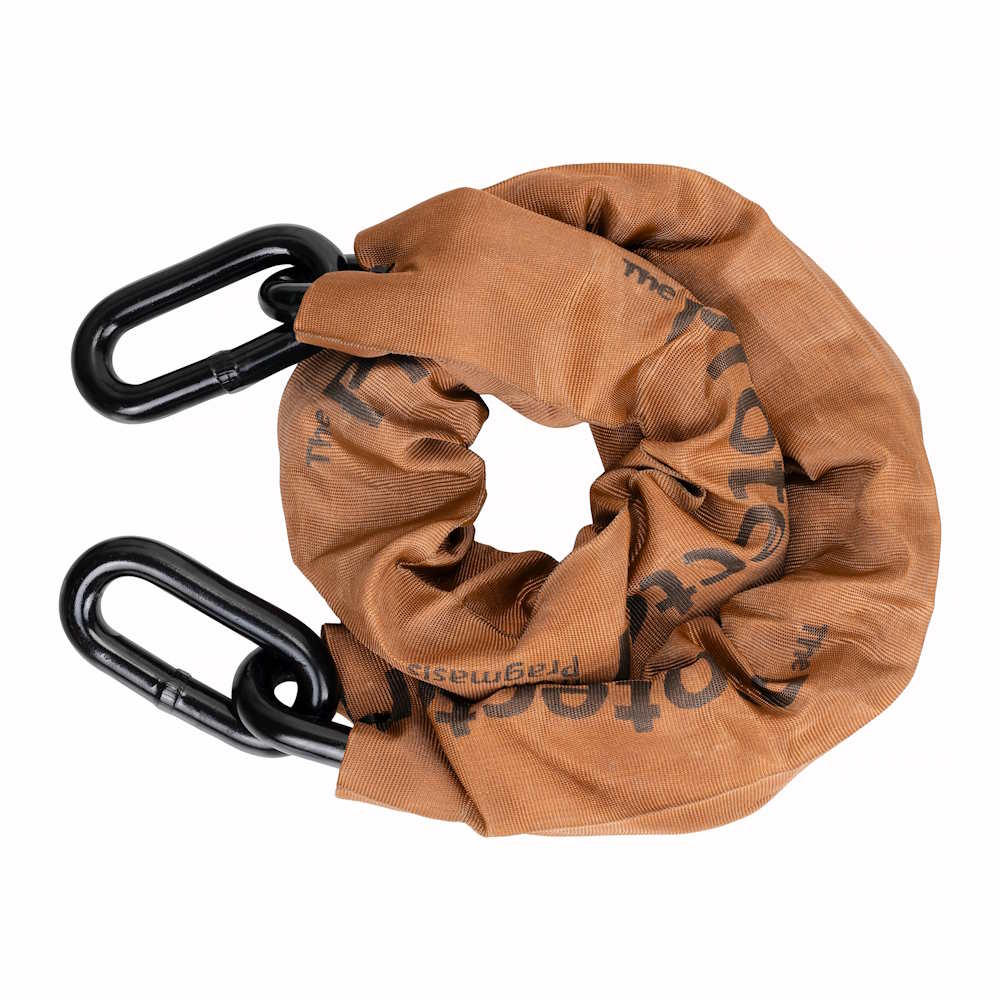
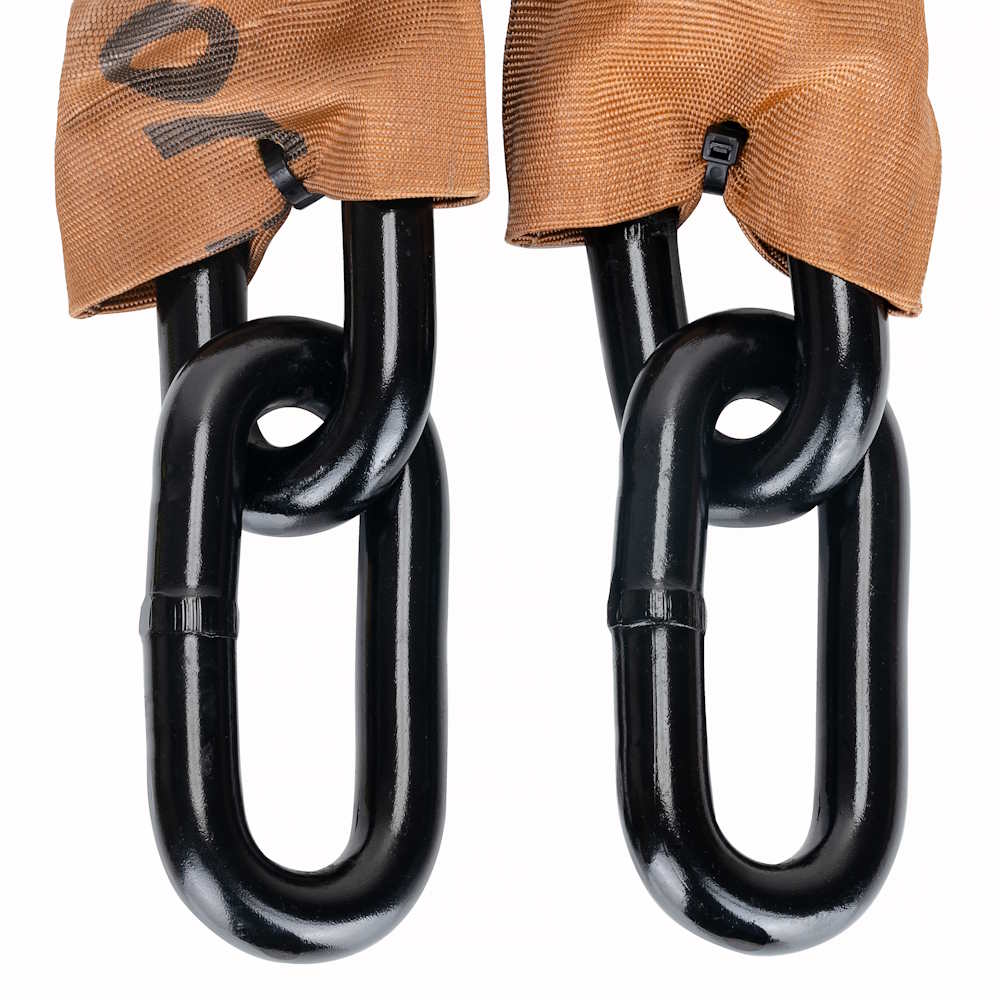
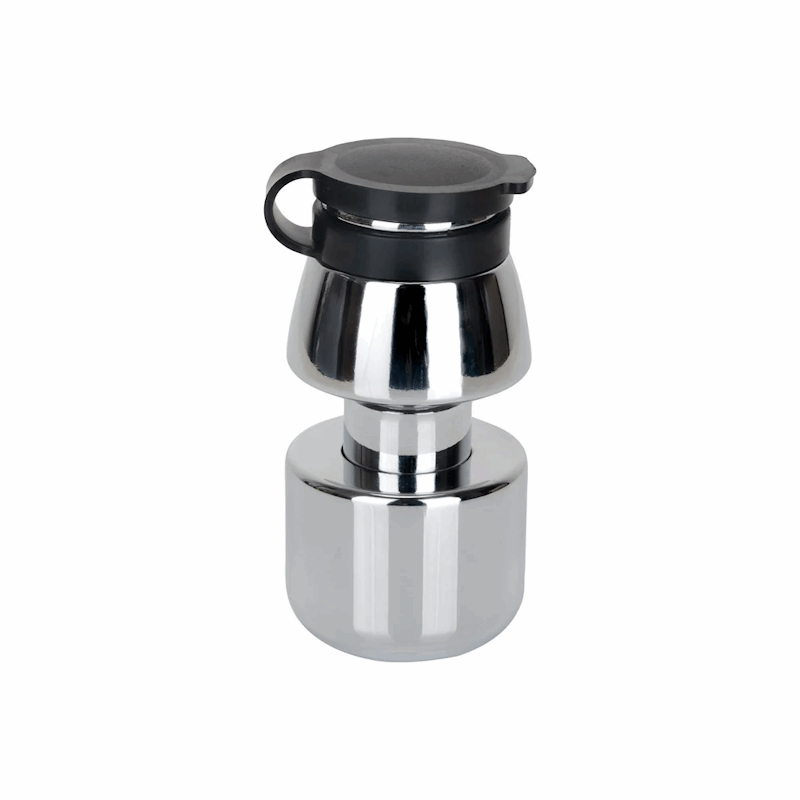
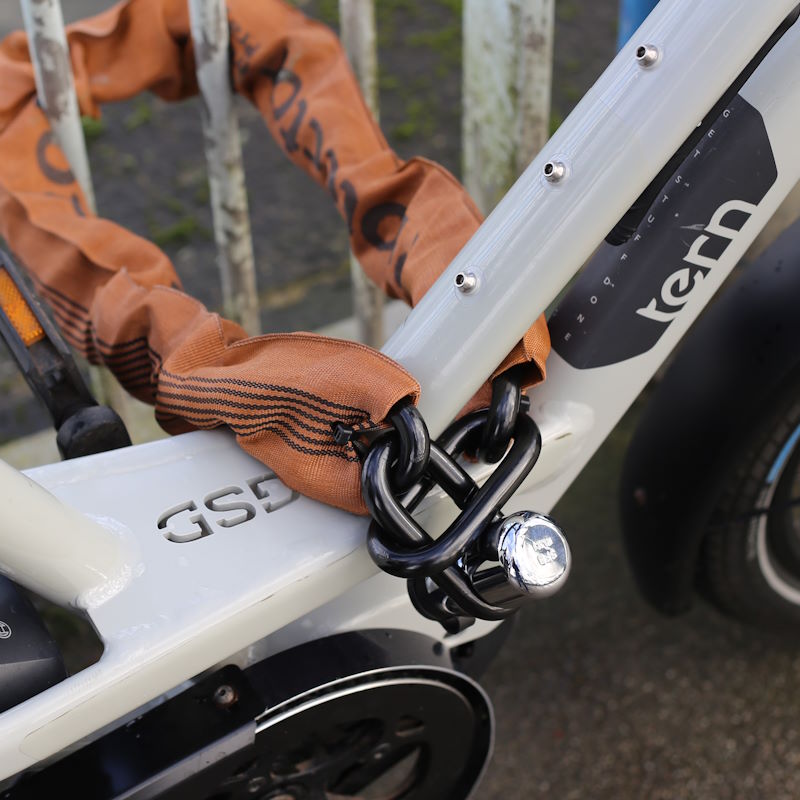
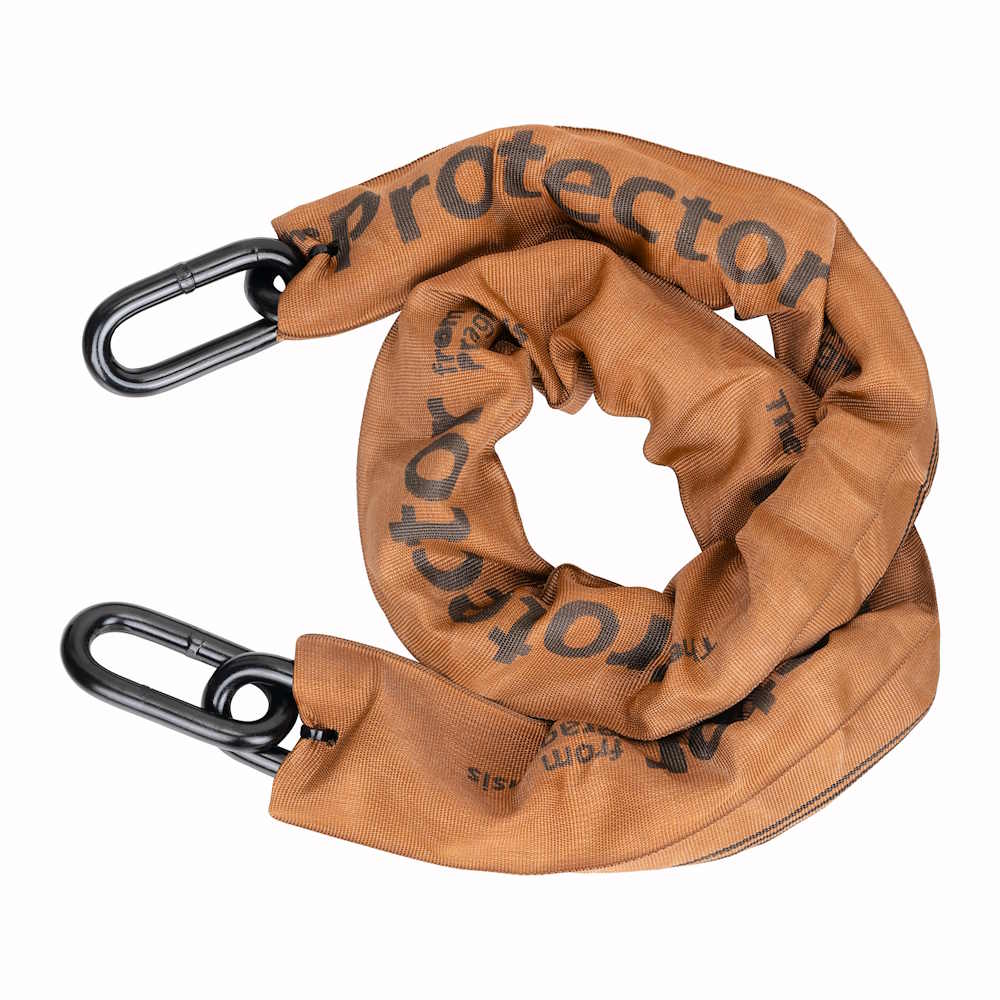
The current standard Protector 22mm chain has elongated end-links. With a compatible Squire SS80CS or SS100CS padlock, pass one end-link through the other and lock the protruding link.
The Squire D16 Max is another compatible option.
Older 22mm Torc Edition and noose-chain versions have different end arrangements. If you already own one of these, check its exact design before applying the instructions above.
Can I leave my chain outside?
Our chains and sleeves are intended for outdoor use. Locks may need maintenance to keep working smoothly when exposed to weather. Follow the care guidance for your particular lock, and inspect the sleeve occasionally for wear.
Can I keep using a chain after an attempted theft?
Inspect the chain and lock after an attack, even if the bike was not stolen. Cuts, cracks, distorted links or damage around a weld need assessment before the chain is used again.
If damage is visible or you are unsure, stop relying on the affected chain and contact us with clear photographs. Tell us its diameter and design, and show both the damaged area and the end-links.
If an end link has been cut, you can use the next link down.
However if a theft has been attempted, we advise you also look to increase the security you're using, by fitting another security device or upgrading your existing kit.