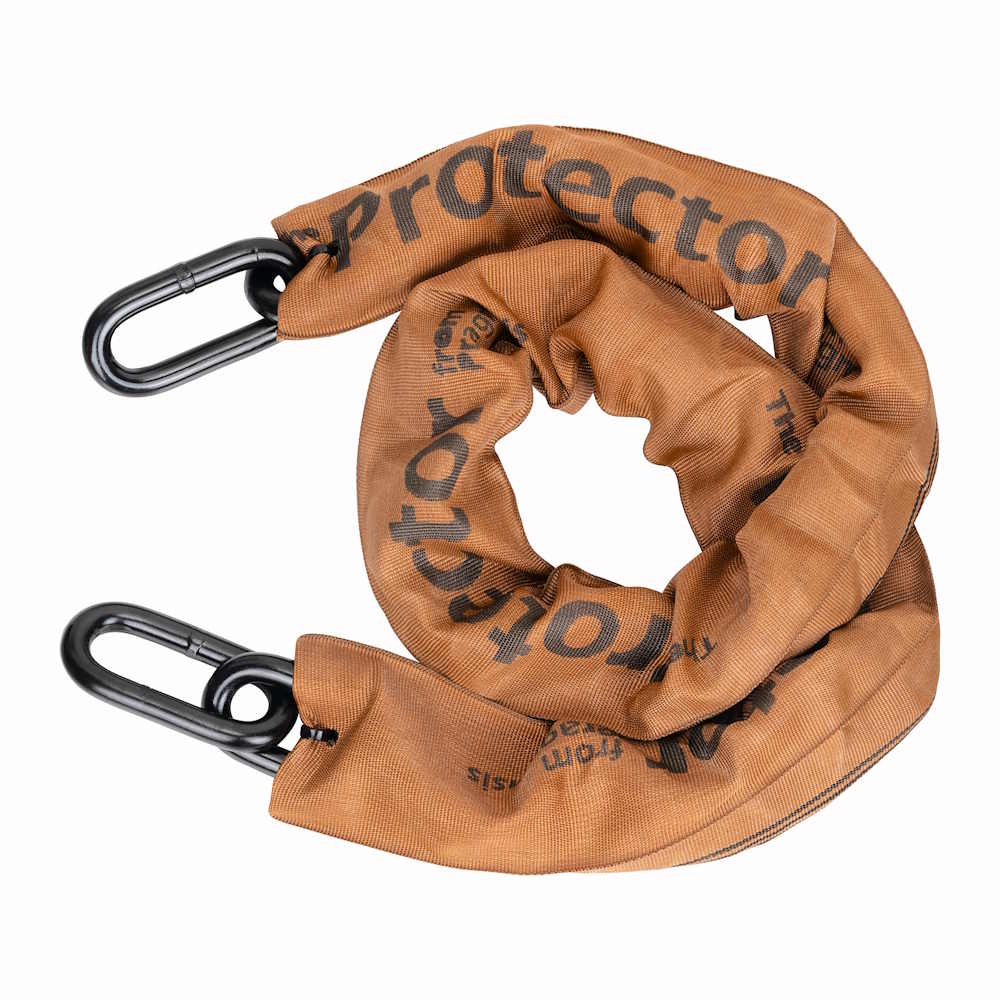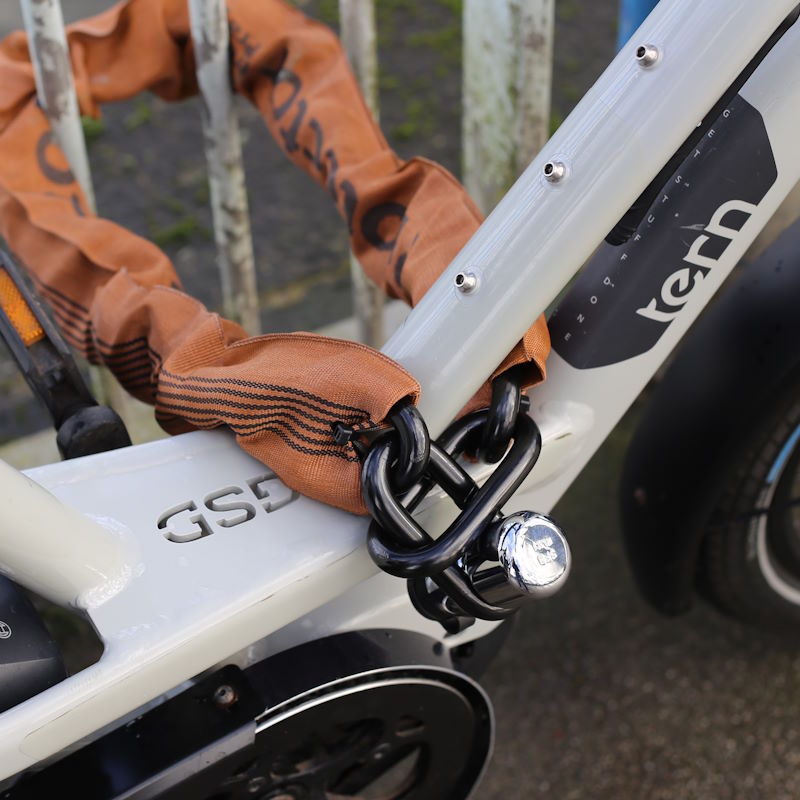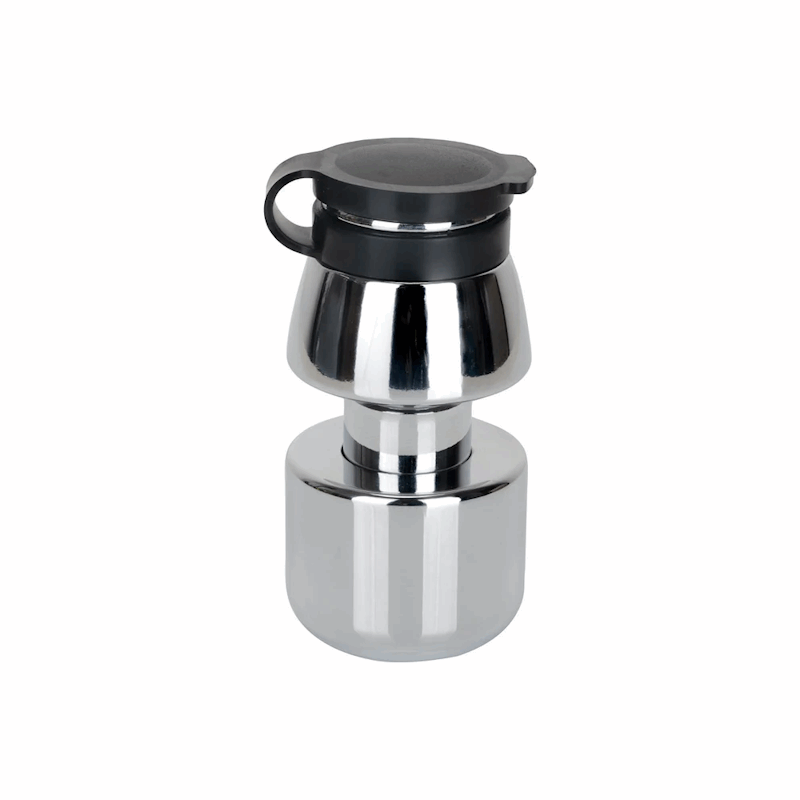
How to correctly match lock size to chain thickness


You've got a padlock and you're looking for a chain to use it with. Or you've got a chain and you're wondering what padlock is going to fit it. These are common scenarios we're used to helping our customers with on a weekly basis.
Correctly matching lock size to chain thickness ensures the lock and chain function as a single, balanced security system. The objective is to minimize exploitable gaps while maintaining full, reliable engagement of the locking mechanism.
The golden rule
Please don't buy a £20 padlock. I'm not saying this becuase I want you to buy a padlock from us.
A cheap padlock is fooling nobody. Well, perhaps it's fooling the person who's using it but not the thief. Marketplace websites are full of really poor quality padlocks that can be nipped with a set of bolt-cutters in seconds.
Yes there are £200 padlocks but you don't have to use those either. However please think about the time, cost and hassle involved in reporting a break-in, replacing your things that were stolen and filling out insurance forms. And then think about the momney you're prepared to spend on a padlock. As I write this, (in 2026), I'd say £50 is about the minimum you want to spend on a padlock if you want one that can withstand bolt croppers and give a thief a hard time.
Step 1: Identify the chain’s critical dimensions
Focus on two measurements:
- Chain thickness (link diameter)
- Internal dimensions of the chain link (width and length)
Thickness of the shackle alone is insufficient; the internal opening determines what lock can physically pass through and close correctly.
- Step 2: Match the lock aperture to the chain link
Select a lock whose internal clearance:
- Fully accommodates the chain link without forcing or twisting
- Leaves minimal excess space once closed
As a rule of thumb, the lock opening should be only marginally larger than the chain link it secures.
Step 3: Ensure strength parity
The lock’s shackle or locking bar diameter should be comparable to the chain thickness.
- A thinner lock on a thicker chain creates a clear attack point
- A much thicker lock on a lighter chain adds bulk without improving security
Aim for similar resistance to cutting and leverage across both components.
Step 4: Check seating and stability
When closed, the lock should:
- Sit flush against the chain
- Have limited movement
- Not rotate freely into vulnerable positions
Excess movement increases wear and simplifies tool placement during an attack. If there's a big gap between the lock shackle and the chain, a thief can get a crowbar in there.
To sum up
Correct matching is about precision, not size. The best pairing minimizes clearance, balances strength, and maintains usability. Any significant mismatch—large or small—reduces the effective security of both the lock and the chain.