Closed-shackle vs open-shackle padlocks: What is the difference?


Closed-shackle padlocks are generally more secure than open-shackle padlocks because they expose less of the shackle to cutting tools. However, the right choice also depends on chain compatibility and how the lock is used.
What is an open-shackle padlock?
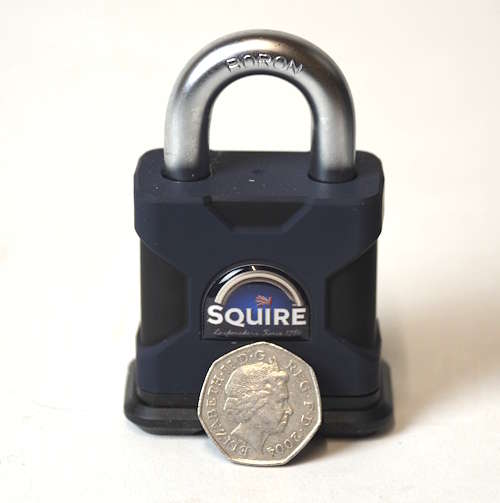
An open-shackle padlock, like this Squire SS50S has a long, exposed U-shaped shackle. This design makes it versatile and easy to use with a wide range of chains, hasps and anchors. Due to the fact there's less metal around the shackle, means you can often access tighter spaces with an open-shackle lock.
The downside is that the exposed shackle gives thieves more access for tools such as bolt croppers or leverage attacks. Even a hardened shackle becomes more vulnerable when there is space to get tools around it.
Open-shackle padlocks are often chosen for convenience, but they rely heavily on the quality and thickness of the shackle for security.
What is a closed-shackle padlock?
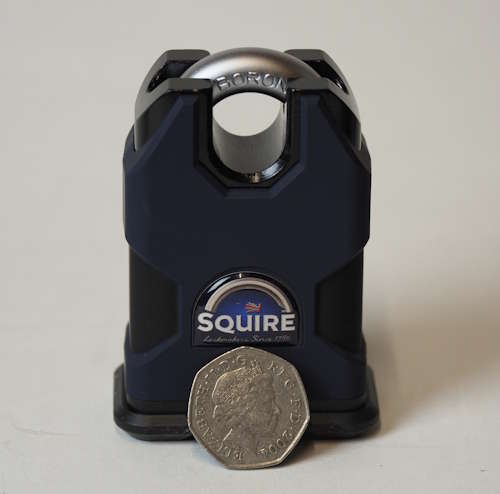
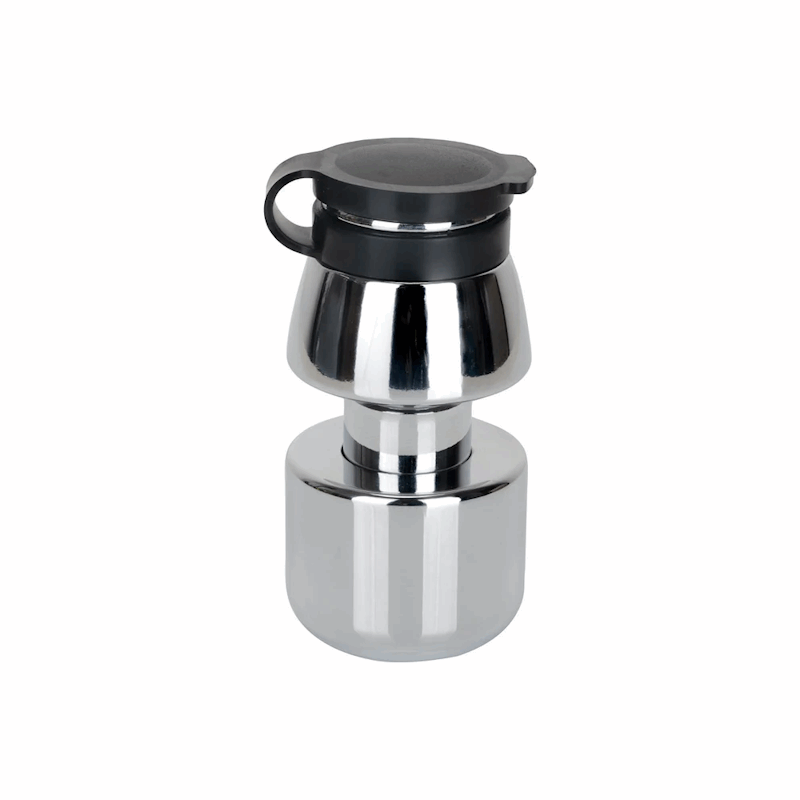
A closed-shackle padlock, like this Squire SS50CS, encloses most of the shackle inside the lock body, leaving very little metal exposed. This significantly reduces the space available for cutting tools.
Because access is restricted, closed-shackle padlocks are far more resistant to bolt cropper attacks and leverage. This makes them a popular choice for high-security motorcycle chains and ground anchors.
The trade-off is compatibility: closed-shackle padlocks require sufficient internal clearance in the chain link or anchor aperture to fit correctly.
Which is more secure?
From a purely security perspective, closed-shackle padlocks are usually the better option, especially when used with heavy-duty chains.
However, security is only effective if the lock actually fits the chain or anchor properly. A closed-shackle padlock that cannot be used correctly offers no advantage at all.
In practice:
- Closed-shackle padlocks prioritise attack resistance
- Open-shackle padlocks prioritise flexibility and ease of use
- Compatibility matters more than appearance
One of the most common mistakes is choosing a padlock based on how strong it looks, rather than whether it fits the chain.
What matters is:
- Internal width of the chain link
- Internal height needed to pass the lock through
- How tightly the lock sits once secured
A poorly fitting lock can leave excess movement or force the chain to rest on the ground, reducing overall security.
Which type should you choose?
As a general rule:
- Use a closed-shackle padlock wherever chain and anchor dimensions allow it
- Use an open-shackle padlock only when compatibility requires it, and ensure the shackle is sufficiently thick and hardened
If you are unsure, check the internal dimensions of your chain and compare them to the padlock’s clearance, or refer to compatibility guidance for specific products.
Summary
Closed-shackle padlocks offer superior resistance to cutting attacks but require careful compatibility checks. Open-shackle padlocks are easier to use but expose more of the shackle to tools.
The most secure option is always the one that fits correctly and allows the chain to be positioned tightly and off the ground.